We must explain to you how all seds this mistakens idea off denouncing pleasures and praising pain was born and I will give you a completed accounts off the system and expound the actually teaching.

Preloader Close
Contact Info
-
Address
Romanian 9520 Faires Farm Road,
Carlsbad, NC 28213. -
Phone
-
Email
© Corvex 2021, All Rights Reserved.
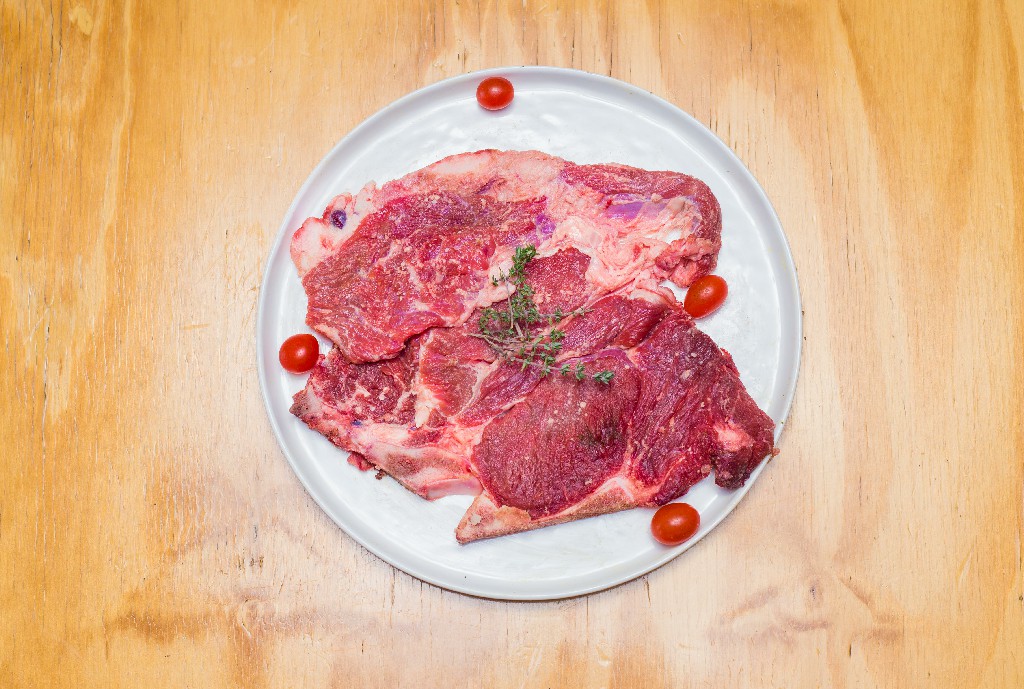
The best cut of steak depends on what you value most. Some people want exceptional tenderness, while others prefer rich beef flavour, generous marbling, or a steak that performs well on the braai. There is no single cut that is objectively “the best”—the right choice depends on your taste, cooking method, budget, and the occasion.
Understanding the different cuts of steak makes it much easier to choose confidently. Each cut comes from a different part of the animal, and that location influences its tenderness, texture, fat content, and overall eating experience. For example, a fillet mignon (fillet) is renowned for its tenderness, while a ribeye is celebrated for its marbling and bold flavour. A sirloin offers an excellent balance of flavour and value, while cuts such as flank, skirt, and hanger steak reward the right cooking technique with outstanding beef flavour.
Choosing the right steak starts with understanding what each cut offers, whether you plan a weekend braai, prepare a special family dinner, or simply look for the best value at the butcher’s counter. Cooking technique also plays an important role. Some steaks are best suited to high-heat grilling, while others benefit from quick pan-searing or careful slicing after cooking.
In this steak buying guide, we’ll explain the different cuts of steak, compare their tenderness, flavour, marbling, and best cooking methods, and help you decide which cut is right for your needs. You’ll also learn which steaks offer the best value, which are ideal for the braai, and what to look for when buying quality beef from your local butcher.
What You’ll Learn in This Guide
By the end of this guide, you’ll be able to:
- Understand the different cuts of steak and where they come from.
- Compare steaks based on tenderness, flavour, marbling, and price.
- Choose the best cut of steak for braaiing, grilling, pan-frying, or roasting.
- Know which steak offers the best value for your budget.
- Buy steak with confidence using practical advice from experienced butchers.
- Understand why some cuts are better suited to certain cooking methods than others.
Whether you’re buying your first premium steak or looking to try something beyond your usual choice, this guide will help you select a cut that delivers the flavour, texture, and cooking performance you want.
What Makes One Steak Cut Better Than Another?
The best cut of steak is the one that matches your personal preferences, cooking method, and budget. While many people assume the most expensive steak is automatically the best, that’s not always the case. Every cut has its strengths, and understanding what sets them apart will help you choose a steak you’ll genuinely enjoy.
A steak’s quality is influenced by several factors, including where it comes from on the animal, how much marbling it has, its tenderness, flavour, fat content, and even its thickness. For example, someone looking for a melt-in-your-mouth texture may prefer a fillet mignon, while someone who enjoys a richer, more robust beef flavour may instead choose a ribeye or hanger steak.
There is no single answer because every cut is designed for a different eating experience. A thick tomahawk is perfect for a special occasion, while a sirloin offers excellent everyday value. Likewise, flank and skirt steaks may not be as naturally tender as premium cuts, but when prepared correctly, they can deliver outstanding flavour.
Before comparing the different cuts of steak, it’s helpful to understand the key characteristics that determine how a steak tastes, cooks, and performs on your plate.
Tenderness
Tenderness refers to how easy a steak is to chew. It is largely determined by how much work a particular muscle does during the animal’s lifetime. Muscles that are used less are naturally softer, while those that work harder develop more connective tissue, creating a firmer texture.
The most tender steak in this guide is fillet mignon (fillet) because it comes from the tenderloin, a muscle that sees very little movement. On the other hand, cuts such as flank, skirt, and hanger steak have a firmer texture, but they reward proper cooking with exceptional flavour.
It’s important to remember that tenderness isn’t always the most important quality. Many steak enthusiasts are willing to trade a little tenderness for a much richer beef flavour.
Marbling
Marbling is the fine white streaks of fat that run throughout the meat. These natural fat deposits melt during cooking, which helps keep the steak juicy and adds richness and flavour.
Generally, steaks with more marbling are the following:
- More succulent
- More forgiving during cooking
- Richer in flavour
- Better suited to high-heat grilling and braaiing
Cuts such as ribeye, tomahawk, and strip steak are known for their excellent marbling, making them favourites among steak lovers. Leaner cuts like fillet mignon and flank steak contain less marbling, producing a cleaner, lighter eating experience.
While marbling contributes significantly to flavour, the ideal amount is ultimately a matter of personal preference. Some people prefer the buttery richness of a well-marbled steak, while others enjoy the cleaner taste of a leaner cut.
Beef Flavour
The most flavourful steak is not always the most tender cut. Beef flavour develops from a combination of muscle type, fat content, and marbling.
Steaks that contain more intramuscular fat and are sourced from harder-working muscles often develop a deeper, more pronounced beef flavour. This is why cuts such as ribeye, hanger steak, skirt steak, and strip steak are often praised for their rich taste.
In contrast, fillet mignon is prized for its tenderness rather than for its intense flavour. Many chefs enhance fillet with compound butter, herbs, or sauces, as its naturally mild flavour allows the accompanying ingredients to shine.
If bold beef flavour is your priority, don’t just choose the most tender cut. Some of the most memorable steaks come from cuts that deliver a stronger, more distinctive taste.
Fat Content
Fat plays a significant role in how a steak tastes and feels when you eat it. Both marbling and the outer fat cap contribute to moisture, richness, and overall enjoyment.
Higher-fat steaks, such as ribeye and tomahawk, remain juicy during cooking because the fat slowly renders as the steak heats. Leaner cuts like sirloin, fillet mignon, and flank steak require a little more attention to avoid overcooking, as they contain less fat to protect the meat from drying out.
Neither option is better than the other. If you prefer a rich, indulgent steak, choose a well-marbled cut. If you’re looking for a leaner meal with less visible fat, there are several excellent options that still deliver plenty of flavour when cooked properly.
Thickness and Portion Size
The thickness of a steak affects both the cooking process and the final result. Thicker steaks are generally easier to cook evenly, as they allow you to develop a rich, caramelised crust while keeping the centre juicy.
Cuts such as porterhouse, tomahawk, and many ribeyes are commonly sold thick enough to benefit from reverse-searing or two-zone grilling. Thinner cuts like skirt steak and flank steak cook much faster and are best prepared over high heat for a short period to preserve their tenderness.
Portion size is equally important. A large porterhouse or tomahawk can comfortably serve two or more people, while a single fillet mignon or sirloin is usually portioned for one person.
Choosing the right size helps reduce waste, ensures even cooking, and makes it easier to plan meals for your family or guests.
Price and Value
A higher price doesn’t always mean a better steak. Premium cuts command higher prices because they come from smaller sections of the animal that are naturally tender or highly marbled. However, several more affordable cuts can deliver exceptional flavour when cooked well.
As a general guide:
| Price Range | Common Steak Cuts | Best For |
| Premium | Fillet Mignon, Ribeye, Porterhouse, Tomahawk | Special occasions, entertaining, maximum tenderness or marbling |
| Mid-Range | Sirloin, Strip Steak, T-Bone, Tri-Tip | Everyday meals with an excellent balance of flavour and value |
| Great Value | Flat Iron, Hanger Steak, Flank Steak, Skirt Steak | Budget-conscious shoppers looking for outstanding beef flavour |
The key is choosing the steak that suits your intended meal. A flat iron can be just as enjoyable as a premium steak when cooked properly, while a beautifully marbled ribeye may be the best choice for a celebration.
Understanding these characteristics will make the steak comparison in the following sections much easier, helping you choose the best cut of steak for your taste, budget, and preferred cooking method.
Different Cuts of Steak Explained
The different cuts of steak each offer a unique combination of tenderness, flavour, marbling, and cooking performance. While they all come from beef, the cut’s location on the animal significantly affects the steak’s taste and preparation.
Some cuts are naturally tender because they come from muscles that do very little work, while others develop a firmer texture and deliver a richer, more pronounced beef flavour. Likewise, some steaks contain abundant marbling that keeps them juicy during cooking, while leaner cuts require a little more care to achieve the best results.
There isn’t a single cut that’s perfect for every meal. A ribeye may be ideal for someone looking for a rich, juicy steak, while a sirloin offers excellent value for everyday cooking. If tenderness is your priority, fillet mignon is difficult to beat. If you’re cooking for a group, a porterhouse or tomahawk makes for an impressive centrepiece.
The sections below explain the most popular steak cuts, where they come from, what makes each one unique, and the cooking methods that help bring out their best qualities. By understanding these differences, you’ll be able to choose the right steak with confidence, whether you’re planning a quick weekday dinner, a traditional South African braai, or a special celebration.
Below is a quick comparison of the steak cuts covered in this guide.
| Steak Cut | Tenderness | Beef Flavour | Marbling | Best Cooking Methods |
| Sirloin | ★★★★☆ | ★★★★☆ | Moderate | Braai, grill, pan-fry |
| Fillet Mignon (Fillet) | ★★★★★ | ★★★☆☆ | Low | Pan-sear, grill |
| T-Bone | ★★★★☆ | ★★★★★ | Moderate | Braai, grill |
| Strip Steak | ★★★★☆ | ★★★★★ | Moderate to High | Grill, pan-fry |
| Ribeye | ★★★★★ | ★★★★★ | High | Braai, grill, reverse-sear |
| Flank Steak | ★★☆☆☆ | ★★★★★ | Low | Grill, stir-fry |
| Tri-Tip | ★★★☆☆ | ★★★★☆ | Moderate | Roast, grill |
| Flat Iron | ★★★★☆ | ★★★★☆ | Moderate | Braai, grill, pan-fry |
| Hanger Steak | ★★★☆☆ | ★★★★★ | Moderate | Grill, pan-fry |
| Skirt Steak | ★★☆☆☆ | ★★★★★ | Low | High-heat grilling |
| Porterhouse | ★★★★★ | ★★★★★ | Moderate | Braai, reverse-sear |
| Tomahawk | ★★★★★ | ★★★★★ | High | Reverse-sear, braai |
Tip from the butcher: Don’t choose a steak based solely on tenderness. Some of the most flavourful cuts, such as hanger, skirt, and flank steak, have a firmer texture but reward the right cooking technique with exceptional flavour. Likewise, premium cuts like ribeye and porterhouse shine because they combine tenderness with excellent marbling, making them favourites among steak lovers.
Steak Comparison: Which Cut Is Best?
The best cut of steak depends on what matters most to you. If you’re looking for exceptional tenderness, fillet mignon is hard to beat. If rich beef flavour and juiciness are your priorities, ribeye is often considered the gold standard. Meanwhile, cuts like sirloin, flat iron, and tri-tip offer an excellent balance of flavour, versatility, and value.
Rather than asking, “Which steak is the best?”, it’s more helpful to ask, “Which steak is best for the meal I’m planning?” Every cut has strengths that make it ideal for certain cooking methods, occasions, and budgets.
The comparison below provides a quick overview of how each steak performs across the qualities that matter most when choosing beef.
Steak Comparison Table
| Steak Cut | Tenderness | Beef Flavour | Marbling | Best Cooking Methods | Best For |
| Sirloin | ★★★★☆ | ★★★★☆ | Moderate | Braai, grilling, pan-frying | Everyday meals and excellent value |
| Fillet Mignon (Fillet) | ★★★★★ | ★★★☆☆ | Low | Pan-searing, grilling | Maximum tenderness |
| T-Bone | ★★★★☆ | ★★★★★ | Moderate | Braai, grilling | Enjoying two steak textures in one cut |
| Strip Steak | ★★★★☆ | ★★★★★ | Moderate to High | Grilling, pan-frying | Rich beef flavour with balanced marbling |
| Ribeye | ★★★★★ | ★★★★★ | High | Braai, grilling, reverse-searing | Juiciness, marbling and bold flavour |
| Flank Steak | ★★☆☆☆ | ★★★★★ | Low | High-heat grilling, stir-frying | Sliced steak dishes and marinades |
| Tri-Tip | ★★★☆☆ | ★★★★☆ | Moderate | Roasting, grilling | Feeding a family or entertaining |
| Flat Iron | ★★★★☆ | ★★★★☆ | Moderate | Braai, grilling, pan-frying | Outstanding value and tenderness |
| Hanger Steak | ★★★☆☆ | ★★★★★ | Moderate | Grilling, pan-frying | Deep, robust beef flavour |
| Skirt Steak | ★★☆☆☆ | ★★★★★ | Low | High-heat grilling | Fajitas, tacos and quick meals |
| Porterhouse | ★★★★★ | ★★★★★ | Moderate | Braai, grilling, reverse searing | Sharing and special occasions |
| Tomahawk | ★★★★★ | ★★★★★ | High | Reverse searing, braai | An impressive centrepiece steak |
Best Steak for Tenderness
If tenderness is your top priority, fillet mignon (fillet) is the clear winner. Cut from the tenderloin, it has very little connective tissue, giving it a soft, buttery texture that’s easy to cut and chew.
Other excellent choices include:
- Porterhouse, which includes a generous portion of tenderloin.
- Ribeye, which combines tenderness with rich marbling.
- Sirloin, which offers a comfortable balance between tenderness and flavour.
While flank, skirt, and hanger steak are naturally firmer, they can still be incredibly enjoyable when cooked correctly and sliced against the grain.
Best Steak for Flavour
For many steak enthusiasts, ribeye is the cut that delivers the richest flavour. Its abundant marbling melts during cooking, creating a juicy steak with an intensely beefy taste.
If you’re looking for even bolder beef flavour, consider the following:
- Hanger steak: often called the butcher’s favourite because of its rich, distinctive taste.
- Skirt steak: known for its intense beef flavour and excellent performance in marinades.
- Strip Steak: offers a satisfying balance of flavour and tenderness.
- T-Bone: combines the flavour of strip steak with the tenderness of a fillet.
These cuts show that flavour doesn’t always come from the most expensive steak.
Best Steak for Marbling
Marbling refers to the thin streaks of fat running through the muscle. During cooking, this fat melts, adding moisture, richness, and flavour.
The most marbled cuts include:
- Ribeye
- Tomahawk
- Strip Steak
- Porterhouse
These steaks stay juicy even when cooked over high heat, making them favourites for braaing and grilling.
Leaner cuts like fillet mignon, flank, and skirt steak contain less marbling and therefore require a little more care to avoid drying out.
Best Steak for Value
A premium price doesn’t always mean better value. Several mid-range cuts deliver excellent eating quality without the cost of premium steaks.
Some of the best-value options include:
- Sirloin: versatile, flavourful and suitable for almost any cooking method.
- Flat Iron: one of the most tender, valuable cuts available.
- Tri-tip: ideal for feeding several people while staying within budget.
- Hanger steak: offers premium flavour at a more moderate price.
- Flank steak: excellent for recipes where the steak is sliced and served with other ingredients.
For many households, these cuts provide the perfect balance between quality and affordability.
Best Steak for a Braai
South Africans love a good braai, but not every steak performs equally well over open flames.
The best braai steaks include the following:
- Ribeye: exceptional marbling keeps it juicy.
- Sirloin: versatile and consistently reliable.
- T-Bone: a classic braai favourite.
- Porterhouse: perfect for sharing.
- Tomahawk: ideal for special occasions and entertaining.
- Flat Iron: cooks quickly and delivers excellent flavour.
These cuts develop a beautiful crust over high heat while retaining their natural juices.
Best Steak for Special Occasions
When you’re celebrating or entertaining guests, presentation is often just as important as the flavour.
Some of the best options include:
| Occasion | Recommended Steak |
| Romantic dinner | Fillet Mignon |
| Family braai | Sirloin or Ribeye |
| Dinner party | Porterhouse |
| Celebration meal | Tomahawk |
| Sharing with friends | T-Bone or Porterhouse |
| Luxury steak night | Ribeye |
Choosing the right steak can elevate an ordinary meal into a memorable dining experience.
Quick Recommendation Guide
If you’re still wondering which cut of steak is best, use this quick reference guide.
| If You Want… | Choose... |
| The most tender steak | Fillet Mignon |
| The richest beef flavour | Ribeye |
| The best everyday steak | Sirloin |
| The best value | Flat Iron |
| A steak for the braai | Ribeye or T-Bone |
| A steak to share | Porterhouse |
| An impressive centrepiece | Tomahawk |
| A leaner steak | Sirloin or Flank Steak |
| A steak for marinades | Skirt or Flank Steak |
| A steak with bold flavour | Hanger Steak |
The most important takeaway is that there is no universally “best” steak. The right choice depends on your personal preferences, how you plan to cook it, and the dining experience you want to create. Understanding the strengths of each cut allows you to buy with confidence and enjoy every steak at its full potential.
What Is the Best Cut of Steak for Flavour?
If you’re choosing a steak purely for flavour, ribeye is widely regarded as the best cut. Its generous marbling melts during cooking, creating a rich, juicy steak with a deep, beefy taste that many steak lovers consider the benchmark for flavour.
However, flavour is subjective. Some people enjoy the buttery richness of a well-marbled ribeye, while others prefer the bold, intense taste of cuts like hanger steak or skirt steak. The best steak for flavour ultimately depends on your personal preferences and how you plan to cook it.
One important point to remember is that tenderness and flavour are not the same thing. The most tender steak isn’t always the most flavourful cut. Cuts that come from muscles that work a little harder often develop a stronger beef taste, while naturally tender muscles tend to have a milder flavour profile.
Below are the steak cuts that stand out for flavour and why they deserve a place on your plate.
Ribeye: The Richest and Most Flavourful Steak
For many butchers and chefs, ribeye is the perfect combination of flavour, tenderness, and juiciness. Its abundant marbling slowly renders during cooking, basting the meat from the inside and creating a steak that’s rich without being overpowering.
Why ribeye is considered one of the best cuts for flavour:
- Excellent marbling throughout the meat.
- Naturally juicy when grilled or braaied.
- Rich, buttery beef flavour.
- Remains tender even when cooked over high heat.
- Performs exceptionally well on the braai or in a cast-iron pan.
Because of its fat content, ribeye is also one of the most forgiving steaks to cook. Even when cooked slightly longer than intended, ribeye usually retains much of its moisture.
Best for: Steak lovers who enjoy a rich, juicy eating experience with maximum flavour.
Hanger Steak: The Butcher’s Favourite
If you ask experienced butchers which steak they would take home themselves, many will mention hanger steak. Although it’s less well known than ribeye or sirloin, it delivers one of the deepest, most concentrated beef flavours available.
Hanger steak is prized because it
- Has an intensely beefy taste.
- Develops an excellent crust when cooked over high heat.
- Pairs well with simple seasoning.
- Offers outstanding flavour without requiring a premium price.
Its texture is slightly looser than premium loin cuts, making it important not to overcook it. Serving it medium-rare to medium and slicing it against the grain will help maximise tenderness.
Best for: People who prioritise bold beef flavour over extreme tenderness.
Skirt Steak: Big Flavour in a Thin Cut
Skirt steak is another cut known for its exceptional flavour. While it’s naturally thinner and firmer than premium steaks, it absorbs marinades beautifully and develops a rich caramelised crust when cooked over high heat.
Skirt steak is ideal because it
- Delivers an intense beefy flavour.
- Cooks in just a few minutes.
- Works well with marinades and spice rubs.
- Is perfect for tacos, steak sandwiches, wraps, and stir-fries.
Because it’s a thin cut, skirt steak should be cooked quickly and sliced thinly against the grain to achieve the best texture.
Best for: Fast, flavour-packed meals and marinated recipes.
Strip Steak: Excellent Balance of Flavour and Tenderness
If you’re looking for a steak that combines robust flavour with a tender bite, strip steak is an excellent choice. It contains moderate marbling, giving it a rich taste while maintaining a firmer texture than ribeye.
Many people appreciate strip steak because it:
- Offers a strong beef flavour.
- Has a satisfying bite.
- Produces an excellent crust when grilled.
- Performs well on both the braai and in a frying pan.
For diners who find ribeye slightly too rich, strip steak provides an ideal middle ground.
Best for: Those who want a balance of flavour, tenderness, and moderate marbling.
T-Bone and Porterhouse: Two Flavours in One Steak
Both T-bone and porterhouse steaks combine two premium cuts in a single steak. On one side of the bone is the strip steak, while the other side contains tenderloin (fillet). This gives diners the opportunity to enjoy two different eating experiences in one meal.
These steaks offer:
- Rich beef flavour from the strip side.
- Exceptional tenderness from the fillet side.
- An impressive presentation for braais and special occasions.
- Plenty of versatility for those who enjoy different textures.
The primary difference is that a porterhouse contains a noticeably larger fillet portion than a T-bone.
Best for: Sharing or enjoying the best of both tenderness and flavour.
Sirloin: Everyday Flavour That Never Disappoints
Sirloin may not have the same marbling as ribeye, but it consistently delivers excellent beef flavour and remains one of the most popular steak cuts in South Africa.
Why sirloin is a favourite:
- Rich, natural beef flavour.
- Leaner than ribeye.
- Affordable enough for regular meals.
- Suitable for braaing, grilling, or pan-frying.
- Excellent balance between quality and value.
For many families, sirloin is the dependable choice that performs well across almost every cooking method.
Best for: Everyday cooking and consistent flavour at a reasonable price.
What Creates Great Steak Flavour?
Several factors influence how flavourful a steak can be. Understanding these characteristics helps explain why two steaks can taste entirely different, even when cooked the same way.
| Factor | How It Affects Flavour |
| Marbling | More marbling generally creates a richer, juicier steak. |
| Muscle Location | Harder-working muscles often develop a deeper beef flavour. |
| Cooking Method | High-heat grilling and braaiing create a flavourful crust through caramelisation. |
| Seasoning | Good-quality steak often needs little more than salt and pepper. |
| Resting Time | Resting allows the juices to redistribute, which improves the flavour in every bite. |
These elements work together to produce the final eating experience, making preparation just as important as the cut itself.
Which Steak Should You Choose for Maximum Flavour?
If flavour is your only priority, these cuts are among the best:
| Rank | Steak Cut | Why It’s So Flavourful |
| 1 | Ribeye | Exceptional marbling, rich and juicy. |
| 2 | Hanger Steak | Deep, concentrated beef flavour. |
| 3 | Skirt Steak | Bold flavour, especially when grilled quickly. |
| 4 | Strip Steak | Excellent balance of flavour and tenderness. |
| 5 | T-Bone / Porterhouse | Combines the flavour of strip steak with the tenderness of fillet. |
| 6 | Sirloin | Leaner, yet consistently flavourful and versatile. |
Ultimately, the best cut of steak for flavour is a matter of personal choice. If you enjoy a rich, buttery steak, ribeye is difficult to surpass. For those who enjoy a stronger, more traditional beef flavour, hanger or skirt steak could easily become your new favourite cut. The excellent news is that each of these cuts can deliver an exceptional meal when sourced from a quality butcher and cooked with care.
What Is the Most Tender Cut of Steak?
The most tender cut of steak is fillet mignon, also known as fillet steak. It comes from the tenderloin, a long muscle located along the spine that does very little work during the animal’s lifetime. Because this muscle isn’t heavily exercised, the meat has very little connective tissue, resulting in an exceptionally soft, buttery texture.
For people who prioritise tenderness above all else, fillet mignon is often their first choice. It can be cut with minimal effort and almost melts in your mouth when cooked correctly. While it has a milder beef flavour than more heavily marbled cuts like ribeye, its luxurious texture makes it one of the most sought-after steaks in the world.
That said, fillet mignon isn’t the only tender steak available. Several other cuts provide an excellent eating experience, offering different levels of flavour, marbling, and value. Understanding these differences will help you choose the steak that’s right for your preferences rather than simply selecting the most expensive option.
Why Is Fillet Mignon So Tender?
Fillet mignon owes its tenderness to its location on the animal. The tenderloin muscle supports posture rather than movement, meaning it experiences very little physical work. Less movement results in finer muscle fibres and minimal connective tissue, producing one of the softest cuts of beef available.
Some of the characteristics that make fillet mignon unique include the following:
- Extremely tender texture.
- Lean with very little external fat.
- Mild, delicate beef flavour.
- Easy to cook to medium-rare or medium.
- Often served as a premium steak for special occasions.
Because fillet mignon contains less marbling than cuts like ribeye, it’s important not to overcook it. Cooking beyond medium can reduce its natural juiciness and diminish the qualities that make it so desirable.
Best for: Diners who value tenderness above all else.
Other Tender Steak Cuts Worth Considering
Although fillet mignon ranks first for tenderness, several other steak cuts also offer an excellent balance of tenderness and flavour.
Ribeye
Ribeye is often considered the best all-round steak because it combines impressive tenderness with generous marbling.
Unlike fillet mignon, ribeye contains abundant intramuscular fat that melts during cooking, producing a juicy steak with a richer beef flavour.
Choose ribeye if you want:
- Excellent tenderness.
- Rich marbling.
- Outstanding flavour.
- A forgiving steak that’s difficult to dry out.
Many steak enthusiasts prefer ribeye because it offers nearly the same level of tenderness while delivering significantly more flavour.
Porterhouse
A porterhouse steak combines two premium cuts in one. One side of the bone contains a generous portion of fillet mignon, while the other contains a strip steak.
This combination gives you:
- The tenderness of fillet.
- The rich flavour of strip steak is an impressive steak for sharing.
- An impressive steak for sharing.
- Excellent value for larger meals.
For diners who want both tenderness and flavour, the porterhouse offers it.
T-Bone
The T-bone steak is similar to a porterhouse but contains a smaller fillet section.
It still provides:
- A tender fillet portion.
- A flavourful strip steak.
- Great presentation for braais.
- Two different textures in a single steak.
Because of the bone, both the porterhouse and T-bone also benefit from additional flavour during cooking.
Flat Iron
Many people are surprised to learn that flat iron steak is one of the most tender cuts outside of the tenderloin.
When properly trimmed by the butcher, flat iron offers the following:
- Excellent tenderness.
- Good marbling.
- Rich beef flavour.
- Outstanding value for money.
It’s an excellent choice for anyone looking for premium eating quality without paying premium steak prices.
Sirloin
Sirloin strikes a comfortable balance of tenderness, flavour, and affordability.
Although it’s firmer than fillet mignon or ribeye, it still offers the following:
- Pleasant tenderness.
- Leaner meat.
- Excellent versatility.
- Great value for everyday meals.
For many households, sirloin is the steak that delivers the best overall balance.
What Affects the Tenderness of a Steak?
Tenderness isn’t determined by the cut alone. Several factors influence how soft a steak will be when it reaches your plate.
| Factor | Effect on Tenderness |
| Muscle Location | Muscles that do less work are naturally more tender. |
| Connective Tissue | Less connective tissue creates a softer texture. |
| Marbling | Fat helps create a juicier, more enjoyable eating experience. |
| Ageing Process | Proper dry or wet ageing naturally improves tenderness. |
| Cooking Method | Overcooking causes steaks to become firmer and drier. |
| Resting After Cooking | Resting helps retain moisture, improving tenderness. |
| Slicing Technique | Cutting against the grain shortens muscle fibres, making the steak easier to chew. |
Even naturally firm cuts such as flank or skirt steak can become much more enjoyable when cooked quickly over high heat and sliced correctly.
Tenderness Ranking of Popular Steak Cuts
The table below compares the tenderness of the most common steak cuts.
| Steak Cut | Tenderness Rating | Notes |
| Fillet Mignon (Fillet) | ★★★★★ | The most tender steak available. |
| Ribeye | ★★★★★ | Tender with exceptional marbling. |
| Porterhouse | ★★★★★ | Includes a large portion of tenderloin. |
| Tomahawk | ★★★★★ | Essentially a bone-in ribeye with outstanding tenderness. |
| T-Bone | ★★★★☆ | Combines tender fillet with strip steak. |
| Flat Iron | ★★★★☆ | One of the most tender value cuts. |
| Sirloin | ★★★★☆ | Balanced tenderness and flavour. |
| Strip Steak | ★★★★☆ | Firm but pleasantly tender. |
| Tri-Tip | ★★★☆☆ | Moderately tender when sliced correctly. |
| Hanger Steak | ★★★☆☆ | Tender enough when cooked medium-rare. |
| Flank Steak | ★★☆☆☆ | Lean meat should be leaner and firmer; slice against the grain. |
| Skirt Steak | ★★☆☆☆ | Naturally firm but packed with flavour. |
Tips for Cooking Tender Steaks
Even the most tender steak can become tough if it’s not cooked properly. Following a few simple guidelines will help preserve its texture.
- Bring the steak to room temperature before cooking.
- Season generously with salt just before it goes on the heat.
- Cook over high heat to develop a flavourful crust.
- Avoid overcooking premium tender cuts like fillet mignon.
- Let the steak rest for 5 to 10 minutes before serving.
- Always slice against the grain where applicable.
These simple steps help retain moisture and ensure every bite is as tender as possible.
Which Tender Steak Should You Choose?
If tenderness is your highest priority, fillet mignon remains the clear winner. Its buttery texture and fine muscle fibres make it the softest steak available.
However, if you want a little more beef flavour without sacrificing much tenderness, ribeye, porterhouse, and tomahawk are excellent alternatives. For shoppers looking to maximise value, flat iron and sirloin offer impressive tenderness at a more accessible price point.
The best choice ultimately depends on the type of meal you’re preparing. Whether you’re planning a premium steak dinner or a relaxed weekend braai, understanding how tenderness varies between cuts will help you select a steak that delivers exactly the eating experience you’re looking for.
What Is the Best Cut of Steak for a Braai?
The best cut of steak for a braai is ribeye because it combines excellent marbling, outstanding flavour, and natural tenderness. As the fat melts over the heat, it keeps the meat juicy while creating a beautifully caramelised crust. However, ribeye isn’t the only excellent choice. Sirloin, T-bone, porterhouse, tomahawk, and flat iron are also popular braai steaks, each offering its own balance of flavour, texture, and value.
When choosing a steak for the braai, it’s important to consider more than just tenderness. Open-flame cooking rewards steaks with enough marbling to stay moist over high heat. Thicker cuts also perform better because they develop a rich crust on the outside while remaining juicy in the centre.
The good news is that South Africa offers a wide selection of steaks that are perfectly suited to the braai. Whether you’re cooking for your family on a Saturday afternoon or hosting a special celebration, selecting the right cut will help you achieve consistently great results.
What Makes a Steak Ideal for the Braai?
Not every steak responds well to the intense heat of a braai. The best braai steaks have enough fat and structure to remain juicy while developing the smoky, caramelised flavours that make outdoor cooking so enjoyable.
A good braai steak should have the following:
- Moderate to high marbling for extra juiciness.
- Enough thickness to cook evenly over high heat.
- A rich beef flavour that stands up to smoke and fire.
- A texture that remains tender when grilled.
- Minimal preparation, allowing the natural flavour of the beef to shine.
One of the advantages of braaiing is that quality beef doesn’t require complicated marinades or heavy seasoning. For premium cuts, coarse salt and freshly ground black pepper are often all that’s needed.
Ribeye: The Ultimate Braai Steak
If you ask experienced butchers which steak performs best on the braai, ribeye is almost always near the top of the list.
Its generous marbling slowly renders as it cooks, naturally basting the meat and producing a juicy steak packed with flavour.
Why ribeye excels on the braai:
- High levels of marbling.
- Rich, buttery beef flavour.
- Remains juicy over high heat.
- Develops an excellent crust.
- Difficult to overcook compared to leaner steaks.
For many steak enthusiasts, ribeye is the perfect balance of tenderness, flavour, and moisture.
Best for: Premium braais, entertaining guests, and anyone who enjoys rich, juicy steak.
Sirloin: South Africa’s Everyday Braai Favourite
Sirloin is one of the most popular steaks found at South African braais, and for good reason. It offers excellent flavour, a leaner profile than ribeye, and outstanding value.
Many families choose sirloin because it:
- Delivers consistent results.
- It has a rich, natural beef flavour.
- Cooks quickly over hot coals.
- Is suitable for both everyday meals and larger gatherings.
- Provides excellent value for money.
Sirloin is versatile enough to satisfy most steak lovers without the higher price of premium cuts.
Best for: Family braais and regular weekend cooking.
T-Bone: Two Premium Steaks in One
A T-bone steak gives you the opportunity to enjoy two different steak experiences at the same time.
On one side of the distinctive T-shaped bone is the tender fillet, while the other side contains the flavourful strip steak.
Why it’s perfect for the braai:
- Combines tenderness and flavour.
- Bone helps retain moisture during cooking.
- Impressive presentation.
- Thick enough to cook evenly over open flames.
Because each side cooks slightly differently, it’s important to manage the heat carefully to ensure both portions reach the desired doneness.
Best for: Steak lovers who enjoy variety in every bite.
Porterhouse: Perfect for Sharing
Often described as the larger version of a T-bone, the porterhouse contains a much bigger portion of tenderloin.
It offers:
- Exceptional tenderness.
- Rich beef flavour.
- Excellent presentation.
- Generous portions ideal for sharing.
A thick porterhouse, cooked over hardwood coals, creates an unforgettable centrepiece for any braai.
Best for: Couples, family dinners, and entertaining guests.
Tomahawk: The Showstopper
If you’re looking to impress your guests, few steaks attract attention like a tomahawk.
Essentially a bone-in ribeye with a long rib bone left attached, it combines premium marbling with dramatic presentation.
Why braai enthusiasts love it:
- Incredible marbling.
- Rich, juicy flavour.
- Thick enough for reverse-searing.
- Stunning appearance on the braai.
Because of its size, tomahawk steaks are usually cooked using indirect heat before finishing over direct flames to develop a crisp crust.
Best for: Celebrations, special occasions, and serious steak lovers.
Flat Iron: Outstanding Value on the Braai
Not every exceptional braai steak has to come with a premium price tag.
Flat iron steak offers impressive tenderness, good marbling, and excellent beef flavour while remaining more affordable than ribeye or porterhouse.
Many butchers recommend flat iron because it:
- Cooks quickly.
- Remains tender.
- Delivers excellent flavour.
- Offers outstanding value.
It’s an excellent option for anyone wanting restaurant-quality steak without stretching the budget.
Best for: Value-conscious braais.
Which Steaks Are Better Marinated?
While premium steaks are often best cooked with minimal seasoning, leaner cuts benefit from marinades that add flavour and help keep them moist.
These cuts work particularly well with marinades:
- Flank Steak
- Skirt Steak
- Hanger Steak
- Tri-Tip
A simple marinade containing olive oil, garlic, herbs, and a touch of acidity can enhance flavour without overpowering the natural taste of the beef.
For highly marbled steaks like ribeye, porterhouse, or tomahawk, most butchers recommend keeping seasoning simple to highlight the quality of the meat.
Best Braai Steaks at a Glance
| Steak Cut | Braai Rating | Why It Works So Well |
| Ribeye | ★★★★★ | Rich marbling, juicy, and full of flavour. |
| Sirloin | ★★★★★ | Excellent value and dependable performance. |
| Porterhouse | ★★★★★ | Tender, flavourful and ideal for sharing. |
| Tomahawk | ★★★★★ | Premium marbling and impressive presentation. |
| T-Bone | ★★★★☆ | Combines two premium steak cuts. |
| Flat Iron | ★★★★☆ | Tender and affordable. |
| Strip Steak | ★★★★☆ | Great flavour with balanced marbling. |
| Tri-Tip | ★★★★☆ | Excellent for feeding larger groups. |
| Hanger Steak | ★★★☆☆ | Deep beef flavour, cooks quickly. |
| Flank Steak | ★★★☆☆ | Best when marinated and sliced thinly. |
| Skirt Steak | ★★★☆☆ | Great for quick grilling and sharing. |
| Fillet Mignon | ★★★☆☆ | Extremely tender but leaner than other braai favourites. |
Tips for Cooking Steak on the Braai
Even the highest-quality steak can disappoint if it’s cooked incorrectly. A few simple techniques will help you get the best results every time.
- Remove the steak from the refrigerator 30 to 60 minutes before cooking.
- Pat the meat dry to encourage a better crust.
- Season with coarse salt and black pepper just before placing it on the braai.
- Use high heat to sear the outside while keeping the inside juicy.
- Avoid flipping the steak repeatedly—turn it only once if possible.
- Use a meat thermometer for consistent doneness, especially with thicker cuts.
- Let the steak rest for 5 to 10 minutes before slicing so the juices can redistribute.
These simple steps allow the natural quality of the beef to shine while creating the smoky flavour and caramelised crust that make a braai so memorable.
Which Steak Should You Choose for Your Next Braai?
If you’re looking for the best cut of steak for a braai, ribeye is the standout choice thanks to its exceptional marbling, tenderness, and rich beef flavour. For an outstanding everyday option, sirloin offers excellent value and consistently delicious results. A porterhouse or tomahawk is sure to impress both visually and on the plate when you’re celebrating a special occasion.
Ultimately, the best braai steak is one that suits your budget, your guests, and the experience you want to create. By choosing a quality cut from a trusted butcher and cooking it over well-managed coals, you’ll enjoy a steak that delivers the flavour, texture, and satisfaction that every memorable South African braai is known for.
What Is the Best Steak for Pan-Frying?
The best steak for pan-frying is ribeye because its generous marbling creates a rich, golden crust while keeping the meat juicy and tender. However, fillet mignon, strip steak, sirloin, and flat iron are also excellent choices, depending on whether you prioritise tenderness, flavour, or value.
Pan-frying is one of the easiest ways to cook a steak at home, and when done correctly, it can produce results that rival those of a steakhouse. The key is choosing a cut that develops a beautifully caramelised crust without drying out. Steaks with moderate to high marbling generally perform best because the fat melts during cooking, adding flavour and helping keep the meat moist.
The thickness of the steak also matters. Cuts that are around 2.5 to 4 cm thick are easier to cook evenly, allowing you to achieve a crisp, browned exterior while keeping your preferred level of doneness in the centre.
What Makes a Steak Good for Pan-Frying?
Not every steak is suited to cooking in a frying pan. Some cuts are simply too lean, while others are too thin and can overcook before a proper crust develops.
The best pan-frying steaks typically have:
- Moderate to high marbling.
- A thickness of at least 2.5 cm.
- Tender muscle fibres.
- Use enough fat to enhance the flavour during cooking.
- A shape that cooks evenly in a pan.
A heavy cast-iron skillet or stainless-steel pan is ideal, as it retains heat well and helps create the caramelised crust that gives steak its rich flavour.
Ribeye: The Best All-Round Pan-Fried Steak
For many butchers and chefs, ribeye is the ultimate steak for pan-frying.
Its generous marbling melts into the meat as it cooks, naturally basting the steak and creating an exceptional flavour. The fat also helps develop the deep golden-brown crust that many people associate with a perfectly cooked steak.
Why ribeye excels in a frying pan:
- Excellent marbling keeps the steak juicy.
- It produces a rich, caramelised crust.
- Forgiving if cooked slightly longer.
- Full-bodied beef flavour.
- Pairs beautifully with butter, garlic, and fresh herbs.
A ribeye finished with butter, thyme, rosemary, and garlic is one of the simplest yet most satisfying ways to enjoy premium beef.
Best for: Rich, juicy steakhouse-style meals at home.
Fillet Mignon: Perfect for Maximum Tenderness
If tenderness is your priority, fillet mignon performs exceptionally well in a frying pan.
Because it’s naturally lean, it cooks quickly and develops a beautiful crust without becoming tough. However, it benefits from careful cooking, as overcooking can reduce its tenderness.
Many chefs finish fillet mignon by the following methods:
- Adding butter during the final minutes of cooking.
- Basting the steak continuously.
- Resting it before serving.
Its mild flavour also makes it an excellent partner for pepper sauce, mushroom sauce, or herb butter.
Best for: Elegant dinners and premium steak experiences.
Strip Steak: Great Flavour with a Crisp Crust
Strip steak is another excellent option for pan-frying. It combines moderate marbling with a firmer texture than ribeye, producing a steak that’s rich in flavour while remaining tender.
It offers:
- Strong beef flavour.
- Excellent browning.
- A satisfying texture.
- Consistent cooking performance.
Because strip steak is stripped of fat along one side, many cooks briefly stand the steak on its edge during cooking to render the fat before searing the flat sides.
Best for: Those who enjoy a balance of tenderness and bold beef flavour.
Sirloin: The Everyday Favourite
Sirloin remains one of the most versatile steaks for home cooking. It’s leaner than ribeye, but it still develops excellent flavour when cooked over high heat.
Many households choose sirloin because it:
- Is widely available.
- Offers excellent value.
- Cooks quickly.
- Produces reliable results.
- Works well with various sauces and sides.
When cooked to medium-rare or medium and rested properly, sirloin delivers an excellent balance of flavour and tenderness.
Best for: Everyday dinners and family meals.
Flat Iron: Outstanding Quality for Less
Flat iron steak has become increasingly popular thanks to its impressive tenderness and excellent value.
It performs particularly well in a hot pan because it
- Develops a crisp crust quickly.
- Retains its tenderness.
- Has excellent marbling.
- Delivers rich beef flavour.
Many butchers consider flat iron one of the best-value steaks available for pan-frying.
Best for: Restaurant-quality meals without the premium price.
Which Steaks Are Less Suitable for Pan-Frying?
While almost any steak can be cooked in a pan, some cuts are better suited to other cooking methods.
These include:
- Tomahawk: often too large for most frying pans and better suited to reverse searing or braaing.
- Porterhouse: difficult to cook evenly due to its size and the bone.
- T-Bone: similar challenges to the porterhouse, especially in smaller pans.
- Flank Steak: better suited to quick, high-heat cooking before slicing.
- Skirt Steak: cooks very quickly and can become overdone if left in the pan too long.
These cuts aren’t poor choices—they simply require different techniques to achieve their best results.
Best Steaks for Pan-Frying Compared
| Steak Cut | Pan-Frying Rating | Why It Works Well |
| Ribeye | ★★★★★ | Exceptional marbling and flavour. |
| fillet Mignon | ★★★★★ | Extremely tender and cooks evenly. |
| Strip Steak | ★★★★★ | Excellent crust with rich beef flavour. |
| Sirloin | ★★★★☆ | Great everyday option with excellent value. |
| Flat Iron | ★★★★☆ | Tender and affordable. |
| Hanger Steak | ★★★★☆ | Rich flavour and quick to cook. |
| Tri-Tip | ★★★☆☆ | Better when roasted but still suitable. |
| Flank Steak | ★★★☆☆ | Best cooked quickly and sliced thinly. |
| Skirt Steak | ★★★☆☆ | Excellent for quick cooking. |
| T-Bone | ★★★☆☆ | Thick bone can make even cooking challenging. |
| Porterhouse | ★★★☆☆ | Better suited to grilling or reverse-searing. |
| Tomahawk | ★★☆☆☆ | Tomahawk steaks are usually too large for standard frying pans. |
Tips for Pan-Frying the Perfect Steak
A few simple techniques can make the difference between an average steak and one that’s packed with flavour and cooked to perfection.
- Choose a heavy pan. Cast iron retains heat and creates an even, caramelised crust.
- Bring the steak to room temperature. This helps it cook more evenly.
- Pat the steak dry. Removing excess moisture encourages better browning.
- Heat the pan before adding the steak. A properly heated pan creates an immediate sear.
- Use a high-smoke-point oil. Oils such as avocado, canola, or sunflower oil work well.
- Add butter near the end of cooking. Butter can burn if added too early, so it’s best used for basting during the final minute or two.
- Rest the steak before serving. Allowing it to rest for 5 to 10 minutes helps the juices redistribute throughout the meat.
Following these steps will help you achieve a beautifully browned crust and a juicy interior every time.
Which Steak Should You Choose for Pan-Frying?
If you’re looking for the best steak for pan-frying, ribeye is the standout choice thanks to its marbling, tenderness, and rich flavour. If you prefer a leaner but exceptionally tender steak, fillet mignon is an excellent alternative. For everyday cooking, sirloin and flat iron provide outstanding value while still delivering excellent results.
In the end, the best pan-fried steak depends on choosing a quality cut, using a hot pan, and avoiding overcooking. With the right technique, you can enjoy a restaurant-quality steak in your kitchen using many of the popular cuts available from your local butcher.
What Is the Best Steak for Grilling?
The best steak for grilling is ribeye, as its generous marbling, natural tenderness, and rich flavour make it exceptionally well suited to high-heat cooking. As the fat renders on the grill, it keeps the steak juicy and creates a beautifully caramelised crust. Other excellent grilling steaks include strip steak, sirloin, porterhouse, T-bone, and flat iron, each offering its balance of flavour, texture, and value.
Grilling is one of the most popular ways to cook steak, enhancing the natural flavour of the beef and adding the smoky, charred notes that many people love. Whether you’re using a gas grill, charcoal grill, pellet grill, or an outdoor braai, choosing the right cut makes a noticeable difference to the final result.
The best grilling steaks are generally thick enough to develop a crisp exterior while remaining juicy inside. They also contain enough marbling to prevent the meat from drying out over direct heat.
What Makes a Steak Ideal for Grilling?
A great grilling steak should be able to withstand high temperatures without losing moisture or becoming tough. Cuts with moderate to high marbling tend to perform best because the fat melts during cooking, adding flavour and helping the meat stay succulent.
When selecting a steak for the grill, look for:
- Good marbling throughout the meat.
- A thickness of at least 2.5 to 4 cm.
- Bright red colour with creamy white fat.
- Even thickness for consistent cooking.
- Minimal connective tissue.
While leaner steaks can certainly be grilled, they require more attention to avoid overcooking.
Ribeye: The Ultimate Grilling Steak
For many steak enthusiasts, ribeye is the benchmark for grilled steak.
Its abundant marbling melts gradually over the heat, naturally basting the meat while creating a rich, smoky flavour and a beautifully browned crust. Because of its fat content, ribeye remains juicy even when cooked over intense heat, making it one of the most forgiving steaks on the grill.
Why ribeye is ideal for grilling:
- Excellent marbling for maximum juiciness.
- Rich, buttery beef flavour.
- Develops outstanding grill marks.
- Retains moisture during cooking.
- Suitable for both direct and reverse-sear methods.
A simple seasoning of coarse salt and black pepper is often all that’s needed to showcase the quality of a ribeye.
Best for: Steak lovers who want maximum flavour and juiciness.
Strip Steak: Rich Flavour with a Firm Bite
Strip steak, sometimes called New York strip, is another outstanding grilling option.
It offers:
- Rich beef flavour.
- Moderate marbling.
- A satisfying, slightly firmer texture.
- Excellent caramelisation when cooked over direct heat.
Unlike ribeye, strip steak has less internal fat, which makes the beef flavour more pronounced while still remaining tender.
Many grill enthusiasts appreciate strip steak because it delivers a perfect balance between tenderness and texture.
Best for: Those who enjoy a steak with a hearty bite and bold flavour.
Sirloin: Reliable and Versatile
Sirloin has earned its reputation as one of the most dependable steaks for grilling. It offers plenty of flavour while remaining leaner and more affordable than premium cuts.
Its advantages include the following:
- Excellent value.
- Good tenderness.
- Versatility across different grilling methods.
- Quick cooking time.
- Consistent results.
Sirloin responds well to both charcoal and gas grilling and pairs easily with classic steak accompaniments such as roasted vegetables, grilled mushrooms, and baked potatoes.
Best for: Everyday grilling and family meals.
Porterhouse and T-Bone: Perfect for Entertaining
Both porterhouse and T-bone steaks are excellent choices when you’re cooking for guests.
These iconic steaks combine two premium cuts:
- Tenderloin (fillet) on one side.
- Strip steak on the other.
The bone helps retain heat during cooking while also adding visual appeal.
Because these steaks are usually thicker than many other cuts, they’re well suited to two-zone grilling, where the steak is first cooked over indirect heat before being finished over direct flames.
Best for: Dinner parties, celebrations, and sharing.
Flat Iron: A Hidden Gem for the Grill
Flat iron steak has become increasingly popular among both butchers and home cooks thanks to its impressive tenderness and excellent value.
It grills beautifully because it:
- Has moderate marbling.
- Cooks evenly.
- Produces a flavourful crust.
- Remains tender when cooked to medium-rare.
For anyone looking beyond traditional premium steaks, flat iron is one of the best-value grilling cuts available.
Best for: Affordable, restaurant-quality grilling.
Flank and Skirt Steak: Best for Quick Grilling
Although flank steak and skirt steak are less tender than premium cuts, they excel when grilled quickly over high heat.
These steaks are ideal because they:
- Develop exceptional flavour.
- Cook in just a few minutes.
- Absorb marinades well.
- Slice beautifully for tacos, salads, wraps, and sandwiches.
The key to success is to avoid overcooking and always slice against the grain to maximise tenderness.
Best for: Marinated dishes and quick weeknight meals.
Best Steaks for Grilling Compared
| Steak Cut | Grilling Rating | Why It Works Well |
| Ribeye | ★★★★★ | Exceptional marbling, flavour, and juiciness. |
| Strip Steak | ★★★★★ | Rich beef flavour with excellent grill marks. |
| Porterhouse | ★★★★★ | Two premium steaks in one cut. |
| T-Bone | ★★★★★ | Great balance of tenderness and flavour. |
| Sirloin | ★★★★☆ | Versatile, affordable, and dependable. |
| Flat Iron | ★★★★☆ | Tender and excellent value. |
| Tomahawk | ★★★★☆ | Perfect for reverse-searing and entertaining. |
| Tri-Tip | ★★★★☆ | Excellent for larger gatherings. |
| Hanger Steak | ★★★★☆ | Rich flavour with quick cooking. |
| Flank Steak | ★★★☆☆ | Best when marinated and sliced thinly. |
| Skirt Steak | ★★★☆☆ | Quick-cooking with bold flavour. |
| Fillet Mignon | ★★★☆☆ | Extremely tender but leaner than most grilling favourites. |
Tips for Grilling the Perfect Steak
Grilling steak is relatively simple, but a few best practices can significantly improve the final result.
- Preheat the grill thoroughly. A hot grill creates better searing and helps prevent sticking.
- Bring the steak to room temperature. This promotes more even cooking.
- Pat the steak dry before seasoning. Removing surface moisture helps with caramelisation.
- Season just before grilling. Coarse salt and freshly ground black pepper are often all that’s required.
- Use two heat zones. Sear over direct heat, then move thicker steaks to indirect heat if needed.
- Avoid pressing the steak. Pressing forces out valuable juices and reduces moisture.
- Turn the steak only once or twice. Frequent flipping can interfere with crust formation.
- Use a meat thermometer. This is the most reliable way to achieve your preferred level of doneness.
- Rest before serving. Allow the steak to rest for 5 to 10 minutes so the juices redistribute throughout the meat.
These techniques help preserve moisture while creating a crisp exterior and smoky flavour, making grilled steak so enjoyable.
Recommended Internal Temperatures
Using a meat thermometer removes the guesswork and helps you cook steak consistently.
| Doneness | Internal Temperature |
| Rare | 50–52°C |
| Medium-Rare | 54–57°C |
| Medium | 60–63°C |
| Medium-Well | 65–68°C |
| Well Done | 71°C and above |
Remove the steak from the grill a few degrees before your target temperature, as it will continue cooking while it rests.
Which Steak Should You Choose for Grilling?
If you’re looking for the best steak for grilling, ribeye is still the top recommendation, thanks to its outstanding marbling, tenderness, and rich beef flavour. For those seeking a leaner alternative, sirloin and strip steak deliver excellent results with a slightly firmer bite. If you’re hosting friends or family, both porterhouse and T-bone steaks offer exceptional flavour and an impressive presentation.
Ultimately, the best grilled steak starts with a quality cut from a trusted butcher. Pair that with proper grilling techniques, careful temperature control, and adequate resting time, and you’ll consistently produce juicy, flavourful steaks cooked just the way you like them.
What Is the Best Steak for Marinades?
The best steak for marinades is flank steak because its lean texture and distinct grain allow it to absorb marinades exceptionally well. Skirt steak, hanger steak, and tri-tip are also excellent choices, as they benefit from additional flavour and remain tender when cooked correctly. In contrast, premium steaks like ribeye, fillet mignon, and porterhouse are usually best prepared with simple seasoning to let the natural quality of the beef shine.
Marinating isn’t about masking the meat’s flavour—it’s about complementing it. A well-made marinade can enhance the natural taste of beef, add moisture to leaner cuts, and help create a beautifully caramelised crust when cooking. Choosing the right cut is just as important as choosing the right marinade.
Understanding which steaks respond well to marinades helps you get the best from every cut, whether you’re preparing a quick weeknight dinner, firing up the braai, or experimenting with international flavours.
What Does a Marinade Do?
A marinade is a seasoned liquid that adds flavour to meat before cooking. Most marinades contain a combination of oil, herbs, spices, salt, and an acidic ingredient such as vinegar, citrus juice, or yoghurt.
A good marinade can:
- Enhance the natural flavour of the beef.
- Add moisture to leaner cuts.
- Help develop a rich, caramelised crust while cooking.
- Introduce herbs, spices, and aromatic flavours.
- Improve the eating experience of firmer steak cuts.
While marinades add flavour, they don’t fully change the texture of a steak. Their effect is mostly limited to the outer layer of the meat, so choosing the right cut remains essential.
Flank Steak: The Best Steak for Marinades
Flank steak is widely regarded as the best cut for marinating. It comes from the abdominal muscles of the animal, giving it a lean texture with long muscle fibres that readily absorb flavour.
Why flank steak works so well:
- Absorbs marinades exceptionally well.
- Rich natural beef flavour.
- Excellent for grilling or braaing.
- Ideal for slicing thinly after cooking.
- Versatile across many cuisines.
Flank steak pairs well with everything from classic garlic and herb marinades to Asian-inspired soy and ginger blends or spicy peri-peri flavours.
For the best results, cook flank steak to medium-rare or medium and always slice it against the grain to maximise tenderness.
Best for: Braais, salads, wraps, stir-fries, and steak sandwiches.
Skirt Steak: Bold Flavour Meets Bold Marinades
Skirt steak is another excellent choice for marinating. It has a naturally intense beef flavour and a loose grain that allows marinades to penetrate the surface effectively.
Many butchers recommend skirt steak because it:
- Takes on marinades quickly.
- Cooks in just a few minutes.
- Develops excellent caramelisation over high heat.
- Delivers bold beef flavour.
Popular marinade combinations include garlic, lime, chilli, smoked paprika, cumin, rosemary, and Worcestershire sauce.
Because skirt steak is relatively thin, it requires only a short cooking time over high heat.
Best for: Fajitas, tacos, kebabs, wraps, and quick grilled meals.
Hanger Steak: Rich Beef Flavour with Extra Depth
Hanger steak is already known for its deep, beefy flavour, but a simple marinade can enhance it even further without overpowering its natural character.
It benefits from marinades that include the following:
- Garlic.
- Fresh herbs.
- Olive oil.
- Dijon mustard.
- Black pepper.
- Worcestershire sauce.
Unlike stronger acidic marinades, lighter herb-based marinades let the distinctive flavour of hanger steak shine through.
Best for: Steak dinners, grilled platters, and sliced steak dishes.
Tri-Tip: Excellent for Longer Marinades
Tri-tip is a versatile cut that responds particularly well to overnight marinating.
Its moderate marbling and thicker shape allow it to absorb flavour while staying juicy during roasting or grilling.
Tri-tip works well with the following:
- Garlic and rosemary.
- Mustard-based marinades.
- Red wine marinades.
- Smoked paprika and herbs.
- Pepper and olive oil blends.
Because tri-tip is often cooked whole, marinating helps flavour the exterior while complementing the naturally rich taste of the beef.
Best for: Family meals, roasting, and entertaining.
Which Steaks Should You Avoid Marinating?
While marinades are excellent for leaner cuts, they’re often unnecessary for premium steaks with exceptional marbling and natural flavour.
These cuts are usually best with simple seasoning:
- Ribeye
- Fillet Mignon (Fillet)
- Porterhouse
- T-Bone
- Tomahawk
- Strip Steak
High-quality steaks already have the flavour and tenderness that most marinades are designed to add. Heavy marinades can sometimes overpower the natural character of these premium cuts.
Instead, many experienced butchers recommend seasoning these steaks with:
- Coarse salt.
- Freshly ground black pepper.
- Butter after cooking.
- Fresh herbs such as thyme or rosemary.
- Garlic during the final stages of cooking.
This simple approach allows the quality of the beef to remain the main attraction.
Best Marinade Ingredients for Steak
A balanced marinade contains ingredients that complement rather than overpower the beef.
| Ingredient | Purpose |
| Olive oil | Adds moisture and carries flavour. |
| Garlic | Provides savoury depth. |
| Fresh herbs | Adds freshness and aroma. |
| Soy sauce | Boosts umami flavour. |
| Worcestershire sauce | Enhances richness and complexity. |
| Lemon or lime juice | Adds brightness and gentle acidity. |
| Balsamic vinegar | Contributes sweetness and caramelisation. |
| Dijon mustard | Adds tang and helps emulsify the marinade. |
| Black pepper | Provides mild heat. |
| Smoked paprika | Adds a smoky flavour and colour. |
Using fresh, high-quality ingredients will produce a more balanced marinade that enhances the steak rather than masking it.
How Long Should You Marinate Steak?
Marinating time depends on the thickness and type of steak.
| Steak Cut | Recommended Marinating Time |
| Skirt Steak | 30 minutes to 4 hours |
| Flank Steak | 2 to 8 hours |
| Hanger Steak | 2 to 6 hours |
| Tri-Tip | 4 to 12 hours |
| Sirloin | 1 to 4 hours (optional) |
| Ribeye | Usually not necessary |
| Fillet Mignon | Usually not necessary |
Avoid marinating steaks in highly acidic mixtures for too long, as the acid can make the surface texture soft or mushy rather than tender.
Tips for Marinating Steak Successfully
Following a few simple guidelines will help you get the best flavour from your marinade.
- Use a glass, ceramic, or food-safe plastic container instead of metal.
- Keep the steak refrigerated while marinating.
- Pat the steak dry before cooking to encourage better browning.
- Discard any marinade that has touched raw meat, or boil it thoroughly before using it as a sauce.
- Avoid adding too much sugar if cooking over high heat, as it can burn quickly.
- Let the steak rest after cooking to allow the juices to redistribute.
These steps help create a steak that’s flavourful, juicy, and beautifully caramelised.
Which Steak Should You Choose for Marinades?
If you’re looking for the best steak for marinades, flank steak is the top choice thanks to its lean texture, rich beef flavour, and ability to absorb a wide range of marinades. Skirt steak, hanger steak, and tri-tip are also excellent options that reward thoughtful seasoning and proper cooking techniques.
For premium cuts like ribeye, fillet mignon, and porterhouse, less is often more. Their natural marbling and flavour are best highlighted with simple seasoning, not with heavy marinades.
Ultimately, the best results come from matching the marinade to the right cut of steak. By understanding how different steaks respond to marinades, you’ll be able to create meals that are full of flavour while still showcasing the quality of the beef.
What Is the Best Value Cut of Steak?
The best value cut of steak is flat iron steak, as it delivers an impressive combination of tenderness, rich beef flavour, and affordability. It offers eating quality that’s comparable to many premium steaks but at a more accessible price. Other excellent value options include sirloin, tri-tip, hanger steak, and flank steak, all of which provide outstanding flavour without the premium price tag of cuts like ribeye, fillet mignon, or porterhouse.
Getting good value doesn’t mean buying the cheapest steak available. Instead, it’s about finding a cut that offers the best balance of flavour, tenderness, versatility, and cost. Many experienced butchers will tell you that some of the most satisfying steaks are those that don’t get as much attention as premium cuts.
With the right cooking technique, these value cuts can deliver restaurant-quality results while helping you make the most of your budget.
What Makes a Steak Good Value?
A steak offers good value when it delivers excellent eating quality for its price. While premium cuts come from smaller, highly prized sections of the animal, many less expensive cuts provide outstanding flavour and tenderness when prepared correctly.
A good value steak should offer the following:
- Excellent beef flavour.
- Consistent tenderness.
- Versatile cooking options.
- Good portion sizes.
- Affordable pricing.
- Reliable quality from your butcher.
Choosing value cuts also allows you to enjoy steak more regularly without compromising on quality.
Flat Iron: The Best Value Steak
If you’re looking for the best balance between quality and affordability, flat iron steak is difficult to beat.
Cut from the shoulder (chuck), flat iron is carefully trimmed to remove a tough connective tissue that runs through the centre. Once prepared, it becomes one of the most tender steaks available outside of the tenderloin.
Why flat iron is such great value:
- Surprisingly tender.
- Rich, beefy flavour.
- Moderate marbling.
- Cooks quickly.
- Significantly more affordable than premium cuts.
Many professional chefs and butchers recommend flat iron because it delivers premium eating quality without the premium price.
Best for: Grilling, braaiing, pan-frying, and everyday steak dinners.
Sirloin: Excellent Everyday Value
Sirloin has long been one of South Africa’s favourite steaks, as it strikes an excellent balance of flavour, tenderness, and affordability.
It offers:
- Consistent beef flavour.
- Good tenderness.
- Leaner meat than ribeye.
- Versatility across multiple cooking methods.
- Widely available at most butchers.
Sirloin is an ideal choice for families who enjoy steak regularly but don’t want to pay premium prices every time.
Best for: Weeknight dinners, braais, grilling, and pan-frying.
Tri-Tip: Great for Feeding a Crowd
Tri-tip offers exceptional value, particularly when cooking for larger groups.
Sold as a larger roast or steak, it provides generous portions while remaining more affordable than many premium cuts.
Its advantages include the following:
- Rich beef flavour.
- Moderate marbling.
- Excellent at slicing steak.
- Ideal for roasting or grilling.
- Feeds several people economically.
When cooked to medium-rare and sliced against the grain, tri-tip delivers impressive tenderness and flavour.
Best for: Family gatherings, entertaining, and meal preparation.
Hanger Steak: Premium Flavour Without the Premium Price
Although it’s less commonly requested than ribeye or sirloin, hanger steak is highly regarded by chefs and butchers for its exceptional flavour.
It delivers:
- One of the richest beef flavours available.
- Good tenderness when cooked correctly.
- Excellent performance on the grill or braai.
- Strong value compared to premium steaks.
Because hanger steak isn’t as widely recognised by consumers, it often represents one of the best bargains in the butcher’s display.
Best for: Steak enthusiasts seeking maximum flavour at a reasonable price.
Flank Steak: Affordable and Versatile
Flank steak is another excellent value option, particularly for recipes where the steak is sliced and served as part of a larger dish.
It works well because it:
- Delivers bold beef flavour.
- Absorbs marinades exceptionally well.
- Cooks quickly.
- Stretches further when sliced thinly.
- Is generally more affordable than premium steaks.
While it’s naturally firmer than ribeye or fillet mignon, proper cooking and slicing against the grain produce excellent results.
Best for: Stir-fries, wraps, salads, steak sandwiches, and fajitas.
Why Are Premium Steaks Pricier?
Many people assume expensive steaks are always better, but the higher price usually reflects scarcity rather than quality alone.
Premium cuts such as fillet mignon, ribeye, porterhouse, and tomahawk come from relatively small sections of the animal. Because there are fewer of these cuts available from each carcass, demand often exceeds supply, increasing their price.
Other factors that influence the cost of steak include:
- The amount of marbling.
- The location of the cut on the animal.
- Ageing processes.
- Thickness of the steak.
- Breed and quality of the cattle.
- Overall market demand.
Less expensive cuts often come from larger muscles, making them more readily available and still delivering excellent flavour.
Best Value Steaks Compared
| Steak Cut | Value Rating | Why It Offers Great Value |
| Flat Iron | ★★★★★ | Outstanding tenderness and flavour, all at an affordable price. |
| Sirloin | ★★★★★ | Excellent all-round steak for everyday meals. |
| Tri-Tip | ★★★★☆ | Great for feeding families and entertaining. |
| Hanger Steak | ★★★★☆ | Premium flavour without the premium cost. |
| Flank Steak | ★★★★☆ | Versatile, flavourful, and ideal for marinades. |
| Strip Steak | ★★★☆☆ | More affordable than ribeye, it offers excellent flavour. |
| Ribeye | ★★★☆☆ | Premium quality but higher price. |
| T-Bone | ★★★☆☆ | Good value when sharing between two people. |
| Porterhouse | ★★★☆☆ | Large portions help justify the higher cost. |
| Tomahawk | ★★☆☆☆ | A premium presentation comes with a premium price. |
| Fillet Mignon | ★★☆☆☆ | It is exceptionally tender, but it is also one of the most expensive cuts. |
Tips for Getting the Best Value from Your Butcher
Buying quality steak isn’t just about choosing the right cut—it’s also about knowing what to look for and asking the right questions.
Here are a few ways to get the best value:
- Ask your butcher for recommendations based on your cooking method and budget.
- Be open to trying lesser-known cuts like flat iron or hanger steak.
- Buy thicker steaks, which are often easier to cook evenly and can sometimes be shared.
- Consider larger cuts like tri-tip for family meals instead of buying multiple individual steaks.
- Look for good marbling rather than focusing only on the name of the cut.
- Plan your meals around seasonal specials or promotions offered by your local butcher.
An experienced butcher can often recommend alternatives that provide similar flavour and tenderness at a lower price than the most popular premium cuts.
Is the Cheapest Steak Always the Best Value?
Not necessarily. The cheapest steak isn’t always the most economical choice if it lacks flavour, becomes tough during cooking, or doesn’t suit the meal you’re preparing.
Instead, think about value in the terms of the following:
- Eating quality.
- Ease of cooking.
- Portion size.
- Versatility.
- Overall satisfaction.
A slightly more expensive sirloin that your family enjoys every time may offer better value than a cheaper cut that’s difficult to cook well.
Which Value Steak Should You Choose?
If you’re looking for the best value cut of steak, flat iron stands out as the top recommendation thanks to its impressive tenderness, rich flavour, and affordable price. Sirloin remains an excellent all-round choice for everyday meals, while tri-tip, hanger steak, and flank steak provide outstanding options for specific cooking styles and recipes.
Ultimately, getting great value isn’t about spending the least—it’s about choosing the steak that delivers the best eating experience for your budget. By working with a trusted butcher and understanding the strengths of different cuts, you can enjoy delicious, high-quality steak without always paying premium prices.
Steak Buying Guide: How to Choose a Good Steak
Choosing a good steak starts long before it reaches the grill or frying pan. The quality of the beef, the amount of marbling, the thickness of the cut, and even how it has been aged all influence the final result. While every steak cut has its own characteristics, knowing what to look for at the butcher’s counter will help you buy with confidence and enjoy a better eating experience every time.
Many people focus only on the name of the cut, but experienced butchers know that two ribeyes or sirloins can vary significantly in quality. A well-selected steak with good marbling and proper ageing will almost always outperform a poorly selected premium cut.
Whether you’re shopping for a weekend braai, a family dinner, or a special occasion, these simple guidelines will help you choose the right steak for your needs.
Look for Good Marbling
One of the easiest ways to identify a quality steak is by looking at the marbling. ‘Marbling’ refers to the thin white streaks of fat that run throughout the meat. Unlike the fat around the outside of the steak, marbling melts during cooking, adding moisture, flavour, and tenderness.
In general, steaks with more marbling will:
- Stay juicier during cooking.
- Develop richer beef flavour.
- Be more forgiving if cooked slightly longer.
- Produce a more enjoyable eating experience.
Cuts such as ribeye, tomahawk, and strip steak naturally contain more marbling, while fillet mignon, sirloin, and flank steak are generally leaner.
That doesn’t mean lean steaks are inferior—they simply deliver a different eating experience. If you enjoy rich, buttery flavour, choose a steak with generous marbling. If you prefer leaner beef, look for even colouring and minimal connective tissue instead.
Choose the Right Thickness
Thickness plays a major role in how well a steak cooks. Thin steaks can overcook quickly before a proper crust develops, while thicker steaks are easier to cook evenly.
As a general guideline:
| Steak Thickness | Best Use |
| Under 2 cm | Quick cooking, sandwiches, stir-fries |
| 2.5–3 cm | Ideal for pan-frying and grilling |
| 3.5–5 cm | Best for braaiing, reverse-searing, and premium steaks |
| Over 5 cm | Thick-cut steaks like tomahawk or porterhouse are often cooked using indirect heat first |
If you’re buying premium steaks such as ribeye or porterhouse, choosing a thicker cut usually produces better results because it allows the outside to caramelise while keeping the centre juicy.
Look for Bright Colour
Fresh beef should have a rich, vibrant appearance. While the exact colour can vary depending on ageing and packaging, quality steak generally has a deep cherry-red colour.
A good steak should have the following:
- Bright, even colouring.
- Firm texture.
- Creamy white fat.
- No excessive liquid in the packaging.
- No unpleasant odour.
It’s worth noting that vacuum-packed beef may appear darker or slightly purple until exposed to air. This is completely normal and doesn’t indicate poor quality.
Understand the Difference Between Lean and Marbled Steaks
One of the biggest decisions when buying steak is choosing between lean and heavily marbled cuts.
Neither option is better—it simply depends on your preferences and the meal you’re preparing.
| Lean Steaks | Marbled Steaks |
| Lower fat content | Higher fat content |
| Cleaner beef flavour | Richer, buttery flavour |
| Cook more quickly | Stay juicy for longer |
| Ideal for lighter meals | Ideal for indulgent steak dinners |
| Examples: Fillet Mignon, Sirloin, Flank | Examples: Ribeye, Tomahawk, Strip Steak |
If you’re unsure which to choose, ask your butcher to recommend a steak based on how you plan to cook it.
Ask About Ageing
Many premium steaks are aged before they reach the butcher’s display. Ageing improves tenderness and allows the natural flavour of the beef to develop.
There are two common ageing methods:
Wet Ageing
Wet ageing takes place while the beef is sealed in vacuum packaging.
Benefits include:
- Improved tenderness.
- Consistent quality.
- Better moisture retention.
- Widely available.
Most super-developed butchers steaks are wet-aged.
Dry Ageing
Dry ageing involves storing beef under carefully controlled temperature and humidity conditions for several weeks.
Dry-aged beef develops the following:
- More concentrated beef flavour.
- Improved tenderness.
- A distinctive nutty, buttery taste.
- A firmer texture.
Because moisture evaporates during dry ageing, these steaks are usually more expensive than wet-aged beef.
Match the Steak to Your Cooking Method
Different cuts perform better using different cooking techniques. Buying the right steak for your preferred cooking method will usually produce better results than trying to force one cut to perform like another.
| Cooking Method | Recommended Steak Cuts |
| Braai | Ribeye, Sirloin, T-Bone, Porterhouse, Tomahawk |
| Grilling | Ribeye, Strip Steak, Flat Iron, Sirloin |
| Pan-Frying | Ribeye, fillet Mignon, Strip Steak, Flat Iron |
| Reverse-Searing | Tomahawk, Porterhouse, Thick Ribeye |
| Marinating | Flank Steak, Skirt Steak, Hanger Steak |
| Roasting | Tri-Tip, Tomahawk |
Choosing a steak that suits your cooking method makes it much easier to achieve excellent results.
Buy from a Trusted Butcher
A knowledgeable butcher can be one of your best resources when selecting steak. Unlike pre-packaged meat, buying from a specialist butcher allows you to ask questions, request custom cuts, and receive recommendations based on your preferences.
An experienced butcher can help you:
- Choose the right steak for your budget.
- Recommend alternatives to premium cuts.
- Cut steaks to your preferred thickness.
- Explain the differences between various cuts.
- Recommend cooking methods and serving sizes.
Building a relationship with your local butcher can help you discover excellent cuts you may never have considered before.
Questions to Ask Your Butcher
If you’re unsure which steak to buy, don’t hesitate to ask for advice. A few simple questions can help you make the right choice.
Consider asking:
- Which steak do you recommend for a braai?
- Which cut offers the best value today?
- Which steak has the best marbling?
- Is this steak wet-aged or dry-aged?
- How thick should I cut this steak?
- Which cut would you recommend for pan-frying?
- Do you have any lesser-known cuts that offer great flavour?
Most butchers are happy to share their knowledge and help you choose the right cut.
Common Mistakes When Buying Steak
Even experienced home cooks sometimes make purchasing decisions that affect the final meal.
Try to avoid these common mistakes:
- Choosing steak based on price alone.
- Assuming the most expensive cut is always the best.
- Buying steaks that are too thin for grilling or braaiing.
- Ignoring marbling when comparing steaks.
- Choosing the wrong cut for the cooking method.
- Buying more steak than you realistically need.
- Not asking your butcher for recommendations.
Avoiding these mistakes will improve both the quality of your meals and the value you get from every purchase.
Quick Steak Buying Checklist
Use this checklist the next time you’re shopping for steak.
| Look For | Why It Matters |
| Good marbling | Adds flavour and juiciness. |
| Even thickness | Helps the steak cook consistently. |
| Bright colour | Indicates freshness. |
| Firm texture | Suggests quality meat. |
| Appropriate cut | Matches your cooking method. |
| Proper ageing | Improves tenderness and flavour. |
| Trusted butcher | Provides expert advice and quality products. |
Choosing the Right Steak with Confidence
Buying a great steak doesn’t have to be complicated. Once you understand how marbling, thickness, ageing, and cooking methods influence the final result, selecting the right cut becomes much easier. Whether you’re looking for a richly marbled ribeye, a tender fillet mignon, a versatile sirloin, or a great-value flat iron, choosing quality beef from a trusted butcher is the first step towards an exceptional meal.
The best steak isn’t simply the most expensive one—it’s the cut that suits your taste, your cooking method, and the experience you want to create. With a little knowledge and guidance from your butcher, you’ll be able to buy steak with confidence every time.
Bone-In vs Boneless Steak
The choice between bone-in and boneless steak comes down to your cooking method, presentation, and personal preference. Neither is objectively better. Bone-in steaks are often chosen for their impressive appearance and slower cooking, while boneless steaks offer convenience, quicker cooking, and easier serving. Both can produce exceptional results when you start with quality beef and cook the steak correctly.
Many steak lovers believe bone-in steaks have more flavour, while others prefer the simplicity of boneless cuts. The reality is that the difference is often more subtle than many people expect. Factors such as marbling, ageing, the quality of the beef, and proper cooking technique usually have a greater impact on the final flavour than the presence of a bone.
Understanding the strengths of each option will help you choose the right steak for your next meal.
What Is a Bone-In Steak?
A bone-in steak is a steak that is cut with part of the bone still attached. Popular examples include:
- T-Bone
- Porterhouse
- Tomahawk
- Bone-In Ribeye
These steaks are often thicker and are popular for braais, grilling, and special occasions because of their impressive presentation.
The bone itself isn’t eaten, but it contributes to the overall structure of the steak and influences how it cooks.
What Is a Boneless Steak?
A boneless steak has the bone removed during butchering, leaving only the meat.
Common boneless steaks include:
- Ribeye
- Sirloin
- Fillet Mignon (Fillet)
- Strip Steak
- Flat Iron
- Hanger Steak
- Flank Steak
- Skirt Steak
- Tri-Tip
Boneless steaks are generally easier to prepare, quicker to cook, and simpler to portion, making them a popular choice for everyday meals.
Does Bone-In Steak Taste Better?
Many people believe that bone-in steaks have a richer flavour, but the answer is not as straightforward as it seems.
During the relatively short cooking time of a steak, the bone doesn’t release significant flavour into the meat. Instead, what people often notice is the effect of the bone on the cooking process.
Because the bone heats more slowly than the surrounding meat, it acts as an insulator. This means the meat closest to the bone cooks a little more slowly, helping create a wider range of textures throughout the steak.
The biggest contributors to flavour are still:
- Marbling.
- Quality of the beef.
- Proper ageing.
- Correct cooking technique.
- Resting the steak before serving.
A well-marbled boneless ribeye will almost always be more flavourful than a lean bone-in steak.
Advantages of Bone-In Steaks
Bone-in steaks remain favourites among steak enthusiasts for several reasons.
Better Presentation
Large bone-in steaks like tomahawk and porterhouse make an impressive centrepiece for entertaining. Their dramatic appearance often enhances the overall dining experience.
Slower, More Even Cooking
The bone slows down the cooking process slightly, helping thicker steaks cook more evenly.
This is especially helpful when:
- Braaiing.
- Reverse-searing.
- Cooking thick premium steaks.
Helps Retain Moisture
Although the bone doesn’t add moisture directly, slower cooking around the bone can help preserve juiciness, particularly in thicker steaks.
Great for Sharing
Cuts such as porterhouse and tomahawk are often large enough to serve two or more people comfortably.
Advantages of Boneless Steaks
Boneless steaks are extremely popular because of their convenience and versatility.
Easier to Cook
Without a bone, the steak cooks more evenly across its entire surface.
This makes boneless steaks ideal for the following:
- Pan-frying.
- Quick grilling.
- Weeknight meals.
Easier to Slice
Boneless steaks require no carving around the bone, making serving faster and simpler.
They’re particularly useful for:
- Steak salads.
- Sandwiches.
- Stir-fries.
- Meal preparation.
More Meat Per Purchase
When buying a boneless steak, you’re paying almost entirely for edible meat.
With bone-in steaks, part of the total weight includes the bone, which isn’t consumed.
Fits More Easily in Cookware
Large bone-in steaks can be difficult to fit into standard frying pans, while boneless steaks are generally much easier to manage.
Bone-In vs Boneless: Side-by-Side Comparison
| Feature | Bone-In Steak | Boneless Steak |
| Flavour | Excellent | Excellent |
| Tenderness | Excellent | Excellent |
| Cooking Speed | Slightly slower | Faster |
| Presentation | Outstanding | Simple and classic |
| Ease of Cooking | Moderate | Easy |
| Portioning | Slightly more difficult | Very easy |
| Best for Sharing | Yes | Usually individual portions |
| Everyday Cooking | Good | Excellent |
| Braai | Excellent | Excellent |
| Pan-Frying | Can be challenging for large cuts | Excellent |
Which Cooking Methods Suit Each Best?
Different cooking methods favour different types of steaks.
Bone-In Steaks Work Best For:
- Braaiing.
- Charcoal grilling.
- Reverse-searing.
- Smoking.
- Special occasions.
Popular bone-in cuts include:
- Tomahawk
- Porterhouse
- T-Bone
- Bone-In Ribeye
Boneless Steaks Work Best For:
- Pan-frying.
- Gas grilling.
- Quick weeknight dinners.
- Stir-fries.
- Steak sandwiches.
Popular boneless cuts include:
- Sirloin
- Ribeye
- Fillet Mignon
- Flat Iron
- Strip Steak
Which Offers Better Value?
When comparing prices, remember that bone-in steaks include the weight of the bone.
For example:
- A 700 g tomahawk may contain around 450–500 g of edible meat.
- A 500 g boneless ribeye provides close to 500 g of edible steak.
This doesn’t necessarily mean boneless steaks are better value. Many people are happy to pay extra for the presentation and experience that comes with a bone-in steak, especially when entertaining guests.
If you’re looking for the most meat for your money, boneless cuts often provide better value. If you’re creating a memorable meal, a bone-in steak may be worth the extra cost.
Which Should You Choose?
The right choice depends on the occasion.
Choose a bone-in steak if you:
- Want an impressive presentation.
- Are hosting a braai or dinner party.
- Enjoy cooking thick premium steaks.
- Like sharing large cuts.
Choose a boneless steak if you:
- Want quick, convenient cooking.
- Prefer easy portioning.
- Plan to pan-fry your steak.
- Want maximum edible meat for your budget.
Bone-In vs Boneless at a Glance
| If You Want… | Choose… |
| Maximum convenience | Boneless steak |
| A show-stopping presentation | Bone-in steak |
| Easy weeknight cooking | Boneless steak |
| A steak for entertaining | Bone-in steak |
| Better value per edible portion | Boneless steak |
| Thick steaks for the braai | Bone-in steak |
| Easy slicing and serving | Boneless steak |
| A premium dining experience | Either, depending on the cut |
Ultimately, bone-in and boneless steaks can both deliver exceptional flavour and tenderness. The quality of the beef, the amount of marbling, and the way the steak is cooked will have a much greater influence on the final result than whether the bone is attached. By choosing the right cut for your cooking method and occasion, you can enjoy an outstanding steak regardless of which option you prefer.
Lean Steak vs Marbled Steak
When choosing a steak, one of the biggest decisions you’ll make is whether to buy a lean steak or a marbled steak. Neither option is inherently better—the right choice depends on your personal taste, cooking method, and the type of meal you want to prepare. Lean steaks offer a cleaner, lighter eating experience with less fat, while marbled steaks are prized for their rich flavour, juiciness, and tenderness.
Many people assume that more fat automatically means a better steak, but that’s not always the case. Some diners prefer the bold, buttery richness of a heavily marbled ribeye, while others enjoy the clean, beef-forward flavour of a lean sirloin or fillet mignon. Understanding the differences between these two types of steak will help you choose the right cut with confidence.
What Is a Lean Steak?
A lean steak contains relatively little visible fat and minimal marbling throughout the meat. These cuts tend to have a firmer texture and a cleaner beef flavour while still providing excellent eating quality when cooked correctly.
Popular lean steak cuts include the following:
- Fillet Mignon (Fillet)
- Sirloin
- Flank Steak
- Skirt Steak
- Tri-Tip
Because lean steaks contain less fat, they cook more quickly than heavily marbled cuts and require a little more attention to avoid drying out.
Lean steaks are an excellent choice for people who:
- Prefer a lighter meal.
- Enjoy the natural taste of beef without a rich fatty finish.
- Want a steak with less visible fat.
- Plan to use marinades or sauces to add flavour.
When cooked to medium-rare or medium, lean steaks remain juicy while showcasing the natural flavour of the beef.
What Is a Marbled Steak?
A marbled steak contains fine streaks of intramuscular fat distributed throughout the meat. These white flecks of fat melt during cooking, naturally basting the steak from the inside and creating a rich, juicy eating experience.
Popular marbled steak cuts include the following:
- Ribeye
- Tomahawk
- Strip Steak
- Porterhouse
- T-Bone
Marbling is one of the most important indicators of eating quality because it contributes directly to tenderness, moisture, and flavour.
Well-marbled steaks are ideal for people who:
- Enjoy rich, buttery beef flavour.
- Want maximum juiciness.
- Prefer a steak that’s forgiving to cook.
- Love grilling or braaing over high heat.
The more evenly distributed the marbling, the more consistent the flavour and texture throughout the steak.
Why Does Marbling Matter?
Marbling plays an important role in the overall eating experience. As the steak cooks, the intramuscular fat slowly melts and coats the surrounding muscle fibres, helping to keep the meat moist and flavourful.
Good marbling can improve:
- Juiciness.
- Tenderness.
- Richness of flavour.
- Mouthfeel.
- Overall cooking performance.
This is why ribeye is often considered one of the most enjoyable steaks available—it combines excellent marbling with natural tenderness and bold beef flavour.
It’s important to remember that marbling is different from the thick layer of fat that may appear around the edge of a steak. While the outer fat can add flavour during cooking, it doesn’t contribute to the meat in the same way that fine marbling does.
Lean vs Marbled: Key Differences
Both lean and marbled steaks have their advantages. The comparison below highlights the main differences.
| Feature | Lean Steak | Marbled Steak |
| Fat Content | Lower | Higher |
| Marbling | Minimal | Moderate to High |
| Flavour | Clean, beef-forward | Rich, buttery, intense |
| Juiciness | Moderate | Excellent |
| Tenderness | Depends on the cut | Often enhanced by marbling |
| Cooking Time | Faster | Slightly more forgiving |
| Best Cooking Methods | Pan-frying, grilling, marinating | Braaing, grilling, reverse-searing |
| Popular Cuts | Fillet Mignon, Sirloin, Flank | Ribeye, Tomahawk, Strip Steak |
Neither style is superior—the best choice depends on your preferences.
Which Steak Is Better for Flavour?
If flavour is your top priority, marbled steaks generally have the advantage.
As the fat melts during cooking, it creates:
- Richer beef flavour.
- Better moisture retention.
- A buttery texture.
- A more luxurious eating experience.
Cuts such as ribeye, strip steak, and tomahawk are favourites among steak enthusiasts because of their generous marbling.
However, lean steaks offer their own appeal. A well-prepared sirloin or fillet mignon has a cleaner flavour profile that allows the natural taste of the beef to shine without the richness of additional fat.
Which Steak Is Better for Tenderness?
Tenderness depends on more than just fat content. The location of the muscle on the animal has a significant influence on how tender a steak will be.
For example:
- Fillet mignon is extremely tender despite being relatively lean.
- Ribeye combines tenderness with excellent marbling.
- Sirloin provides moderate tenderness with a leaner profile.
- Flank steak is lean but naturally firmer because it comes from a harder-working muscle.
Marbling contributes to the perception of tenderness because the melted fat creates a softer, juicier bite, but muscle structure remains the biggest factor.
Which Is Easier to Cook?
If you’re new to cooking steak, marbled steaks are often more forgiving.
The extra fat helps protect the meat from drying out, making it easier to achieve a juicy result even if the steak spends slightly longer on the heat.
Marbled steaks perform particularly well when:
- Braaiing.
- Grilling.
- Reverse-searing.
- Pan-searing over high heat.
Lean steaks require a little more precision because they contain less fat to retain moisture.
To get the best results from lean cuts:
- Avoid overcooking.
- Cook to medium-rare or medium where appropriate.
- Allow the steak to rest before serving.
- Consider using marinades for certain cuts such as flank or skirt steak.
With proper technique, both lean and marbled steaks can produce exceptional results.
Which Steak Should You Choose?
Your choice depends on the type of meal you’re preparing and the eating experience you’re looking for.
Choose a lean steak if you:
- Prefer a lighter meal.
- Enjoy the natural flavour of beef.
- Like a steak with less visible fat.
- Plan to use marinades or sauces.
- Want a versatile everyday option.
Choose a marbled steak if you:
- Love rich, juicy steaks.
- Enjoy bold beef flavour.
- Want maximum tenderness and moisture.
- Are cooking on a braai or grill.
- Are celebrating a special occasion.
There is no wrong choice—only the steak that best matches your preferences.
Best Lean and Marbled Steak Cuts
| Category | Recommended Steak Cuts |
| Best Lean Steaks | Fillet Mignon, Sirloin, Flank Steak, Skirt Steak, Tri-Tip |
| Best Marbled Steaks | Ribeye, Tomahawk, Strip Steak, Porterhouse, T-Bone |
These cuts represent some of the best examples of each style and give you plenty of options depending on how you like your steak.
Lean vs Marbled: Which Offers Better Value?
Value isn’t determined by fat content alone. A marbled steak may cost more because of its popularity and the limited amount available from each animal, while lean steaks often provide excellent quality at a lower price.
For example:
- Sirloin offers outstanding value for everyday meals.
- Flat iron combines moderate marbling with exceptional affordability.
- Ribeye commands a premium price because of its marbling and eating quality.
- Fillet mignon is one of the most expensive lean steaks because of its exceptional tenderness and limited availability.
The best value comes from choosing a steak that suits your cooking method and delivers the flavour and texture you’re looking for.
Which Should You Buy?
If you enjoy a rich, juicy steak with bold flavour, a marbled steak like ribeye or strip steak is an excellent choice. If you prefer a cleaner, leaner eating experience, sirloin, fillet mignon, or flank steak may be a better fit.
Ultimately, the decision between lean steak vs marbled steak comes down to personal preference rather than quality. Both styles have earned their place in the butcher’s display, and each offers unique strengths. By understanding how fat content influences flavour, tenderness, and cooking performance, you’ll be able to choose the perfect steak for every meal with confidence.
How Thick Should a Steak Be?
The ideal steak thickness depends on how you plan to cook it, but for most grilling, braaiing, and pan-frying, a steak that is 2.5 to 4 cm (1 to 1½ inches) thick offers the best balance of a flavourful crust and a juicy centre. Thicker steaks are generally easier to cook evenly, while thinner steaks cook quickly and are better suited to specific recipes such as stir-fries, sandwiches, or fajitas.
Many people focus on the cut of steak but overlook its thickness. In reality, thickness has a significant impact on how the steak cooks. A steak that’s too thin can become overcooked before a proper crust forms, while an overly thick steak may require a different cooking method to ensure the centre reaches the desired doneness.
Whether you’re buying steak for a South African braai, grilling outdoors, or cooking in a cast-iron pan, choosing the right thickness will help you achieve consistently better results.
Why Steak Thickness Matters
The thickness of a steak affects far more than its appearance. It influences cooking time, heat distribution, moisture retention, and the final texture of the meat.
A properly cut steak allows you to:
- Develop a rich, caramelised crust.
- Maintain a juicy, tender centre.
- Cook the steak more evenly.
- Achieve your preferred level of doneness.
- Reduce the risk of overcooking.
Thicker steaks also provide more flexibility. You can sear the outside over high heat while allowing the inside to cook more gradually, resulting in a steak that’s crisp on the outside and perfectly cooked in the middle.
Best Steak Thickness for Different Cooking Methods
Different cooking methods work better with different steak thicknesses. Matching the thickness to your cooking technique helps produce more consistent results.
| Cooking Method | Recommended Thickness | Why It Works |
| Pan-Frying | 2.5–3 cm | Develops a good crust while cooking evenly. |
| Braai | 3–4 cm | Handles high heat without drying out. |
| Grilling | 2.5–4 cm | Creates attractive grill marks while staying juicy. |
| Reverse-Searing | 4–6 cm | Allows slow cooking before finishing with a high-heat sear. |
| Stir-Fries & Sandwiches | 1–2 cm | Quick cooking and easy slicing. |
If you’re unsure, asking your butcher to cut steaks between 2.5 and 3.5 cm thick is a safe choice for most home cooking.
Thin Steaks: Quick and Convenient
Thin steaks are usually less than 2 cm thick and cook very quickly. While they can be convenient for fast meals, they require careful attention because they can overcook in a matter of minutes.
Thin steaks are best suited for:
- Steak sandwiches.
- Stir-fries.
- Salads.
- Wraps.
- Fajitas.
- Quick weekday meals.
Popular thin-cut steaks include:
- Skirt Steak
- Flank Steak
- Thin Sirloin
When cooking thin steaks, high heat and short cooking times are essential to preserve tenderness.
Medium-Thickness Steaks: The Best All-Round Option
For most home cooks, steaks between 2.5 and 4 cm thick offer the best combination of convenience and quality.
This thickness allows you to:
- Build a rich crust.
- Cook evenly throughout.
- Reach medium-rare or medium with confidence.
- Enjoy good moisture retention.
The most popular steak cuts are commonly sold in this range, including:
- Ribeye
- Sirloin
- Strip Steak
- Flat Iron
- Fillet Mignon
These steaks perform equally well on the braai, grill, or in a frying pan.
Thick-Cut Steaks: Ideal for Premium Cuts
Steaks thicker than 4 cm are often reserved for premium cuts and special occasions.
Examples include:
- Tomahawk
- Porterhouse
- Thick-Cut Ribeye
- Large T-Bone
These steaks benefit from cooking methods that combine gentle heat with high-temperature finishing.
Advantages of thick steaks include:
- Better crust-to-centre balance.
- Improved moisture retention.
- More forgiving cooking.
- Impressive presentation.
- Ideal for sharing.
Because of their size, thick steaks often require a meat thermometer to achieve accurate doneness.
Choosing the Right Thickness for Different Steak Cuts
Certain steak cuts naturally perform better at specific thicknesses.
| Steak Cut | Recommended Thickness |
| Ribeye | 3–4 cm |
| Sirloin | 2.5–3 cm |
| Fillet Mignon | 3–5 cm |
| Strip Steak | 2.5–4 cm |
| T-Bone | 3–4 cm |
| Porterhouse | 4–5 cm |
| Tomahawk | 5–6 cm |
| Flat Iron | 2–3 cm |
| Hanger Steak | 2–3 cm |
| Flank Steak | 1.5–2 cm |
| Skirt Steak | 1–2 cm |
| Tri-Tip | Usually sold whole and sliced after cooking |
Choosing the appropriate thickness for each cut allows you to make the most of its natural characteristics.
Does a Thicker Steak Taste Better?
Not necessarily, but thicker steaks often provide a better overall eating experience.
Because they cook more slowly, thicker steaks allow the exterior to caramelise without overcooking the centre. This creates a noticeable contrast between the crisp, flavourful crust and the juicy interior.
However, thickness alone doesn’t determine quality.
A great steak still depends on:
- Quality beef.
- Good marbling.
- Proper ageing.
- Correct cooking technique.
- Adequate resting time.
A thin, high-quality skirt steak can be just as enjoyable as a thick tomahawk when cooked using the appropriate method.
Should You Ask Your Butcher to Cut Steaks Thicker?
Absolutely. One of the benefits of buying from a specialist butcher is that you can request steaks cut to your preferred thickness.
For example:
- Ask for 3 cm sirloin steaks for pan-frying.
- Choose a 4 cm ribeye for the braai.
- Request a 5 cm tomahawk for reverse-searing.
- Ask for thin flank steak if you’re preparing fajitas or stir-fries.
A butcher can also recommend the ideal thickness based on your cooking equipment and the number of people you’re serving.
Common Mistakes When Choosing Steak Thickness
Many disappointing steaks result from choosing the wrong thickness rather than the wrong cut.
Some common mistakes include:
- Buying steaks that are too thin for grilling.
- Choosing thick steaks without adjusting the cooking method.
- Expecting every cut to perform well at the same thickness.
- Overcooking thin steaks while trying to achieve a crust.
- Buying thick premium steaks without allowing enough resting time.
Understanding how thickness influences cooking helps avoid these common problems.
Steak Thickness Guide at a Glance
| Thickness | Best For | Popular Cuts |
| 1–2 cm | Quick cooking, stir-fries, sandwiches | Skirt, Flank |
| 2.5–3 cm | Pan-frying, grilling, everyday cooking | Sirloin, Flat Iron, Strip Steak |
| 3–4 cm | Braaing, premium grilling | Ribeye, T-Bone |
| 4–5 cm | Reverse-searing, entertaining | Porterhouse, Thick Ribeye |
| 5–6 cm | Special occasions and sharing | Tomahawk |
Choosing the Right Steak Thickness
For most people, a steak between 2.5 and 4 cm thick provides the best balance of flavour, tenderness, and ease of cooking. It’s thick enough to develop a delicious crust while remaining juicy in the centre, making it suitable for pan-frying, grilling, and braaiing.
If you’re cooking premium cuts like tomahawk, porterhouse, or a thick ribeye, don’t be afraid to choose a thicker steak and adjust your cooking method accordingly. On the other hand, leaner cuts like flank and skirt steak are at their best when cut thinner and cooked quickly over high heat.
By matching the thickness of your steak to both the cut and your preferred cooking method, you’ll consistently achieve better flavour, texture, and doneness—whether you’re cooking at home or around the braai.
How Much Steak Should You Buy Per Person?
As a general rule, you should buy 250–350 grams of raw steak per adult when the steak is the main part of the meal. If you’re serving a hearty braai with multiple side dishes, around 250 grams per person is usually enough. For larger appetites or premium bone-in cuts, 300–400 grams per person is a better estimate.
One of the most common questions customers ask at the butcher’s counter is, “How much steak do I need?” Buying too little can leave guests hungry, while buying too much can result in unnecessary waste. The ideal amount depends on several factors, including the type of steak, whether it’s bone-in or boneless, the number of side dishes being served, and the appetites of your guests.
Planning the right quantity helps you manage your budget, minimise waste, and ensure everyone enjoys a satisfying meal.
Factors That Affect How Much Steak You Need
There isn’t a single answer that suits every occasion. Before deciding how much steak to buy, consider the following:
- Whether the steak is bone-in or boneless.
- The number and size of side dishes.
- Whether you’re serving adults or children.
- The appetite of your guests.
- Whether you’re cooking for a casual family meal or a special occasion.
- If other meats are also to be served at the braai.
For example, if you’re serving steak alongside boerewors, chicken, and lamb chops at a traditional South African braai, you’ll need less steak per person than if steak were the only protein on the menu.
Recommended Steak Portions Per Person
The table below provides a practical guide for most situations.
| Occasion | Recommended Raw Steak Per Person |
| Light meal with several side dishes | 200–250 g |
| Average adult serving | 250–300 g |
| Large appetite | 300–350 g |
| Premium steak dinner | 350–450 g |
| Bone-in steaks | 350–500 g (includes bone) |
| Children | 100–180 g |
These recommendations refer to the raw weight of the steak before cooking.
Bone-In vs Boneless Portions
When buying bone-in steaks, remember that part of the total weight is the bone, which won’t be eaten.
For example:
- A 500 g boneless ribeye provides close to 500 g of edible meat.
- A 700 g tomahawk may contain only 450–500 g of edible meat once the bone is removed.
- A 700 g porterhouse includes both bone and two different muscles, so the edible portion will be less than the total weight.
For this reason, it’s generally a good idea to buy slightly larger bone-in steaks if you’re calculating portions for guests.
| Steak Type | Suggested Portion Per Adult |
| Boneless Steak | 250–350 g |
| Bone-In Steak | 350–500 g |
How Much Steak for a Braai?
A South African braai is rarely just about steak. Many braais include other meats, fresh salads, vegetables, pap, garlic bread, rolls, or potato dishes.
If steak is one of several meats, you can usually allow the following:
- 200–250 g per person
If steak is the main attraction, plan for the following:
- 300–350 g per adult
If you’re serving premium cuts like ribeye or fillet mignon as the centrepiece of the meal, slightly larger portions are often appreciated.
How Much Steak for a Dinner Party?
For a formal steak dinner where steak is the main course, generous portions create a more satisfying dining experience.
A good guide is:
| Steak Cut | Recommended Portion |
| Fillet Mignon | 200–250 g |
| Sirloin | 250–300 g |
| Ribeye | 300–350 g |
| Strip Steak | 250–300 g |
| Porterhouse | 500–700 g (ideal for sharing) |
| Tomahawk | 800 g–1.2 kg (typically shared by 2–3 people) |
Larger cuts such as porterhouse and tomahawk are often designed to be shared rather than served individually.
How Much Steak for Children?
Children usually require much smaller portions than adults.
As a general guide:
| Age Group | Suggested Portion |
| Young children | 80–120 g |
| Older children | 120–180 g |
| Teenagers | 180–250 g |
If children have particularly healthy appetites or are very active, you may wish to increase these amounts slightly.
Buying Steak for Groups
Planning for larger gatherings becomes much easier with a simple guide.
| Number of Adults | Boneless Steak Needed | Bone-In Steak Needed |
| 2 | 500–700 g | 700 g–1 kg |
| 4 | 1–1.4 kg | 1.4–2 kg |
| 6 | 1.5–2.1 kg | 2.1–3 kg |
| 8 | 2–2.8 kg | 2.8–4 kg |
| 10 | 2.5–3.5 kg | 3.5–5 kg |
These estimates assume steak is the main protein being served.
Don’t Forget About Cooking Loss
Steak loses moisture during cooking, meaning the cooked weight will always be less than the raw weight.
On average, steak loses:
- 10–20% of its weight during cooking, depending on the cut and level of doneness.
For example:
| Raw Weight | Approximate Cooked Weight |
| 250 g | 210–225 g |
| 300 g | 255–270 g |
| 350 g | 300–315 g |
| 500 g | 425–450 g |
This is another reason why buying slightly larger portions is often worthwhile, particularly for guests with bigger appetites.
Tips for Buying the Right Amount of Steak
A little planning can help you buy the right quantity while reducing waste.
- Decide whether steak will be the main meal or one of several meats.
- Consider your guests’ appetites before buying.
- Remember that bone-in steaks have less edible meat than their total weight suggests.
- If you’re unsure, it’s generally better to have a little extra than not enough.
- Ask your butcher to portion steaks evenly so everyone receives similar-sized servings.
- Leftover cooked steak can be used in sandwiches, salads, wraps, pasta dishes, or stir-fries the next day.
Quick Portion Guide
Use this simple reference when shopping for steak.
| If You’re Serving… | Buy… |
| Light lunch | 200–250 g per person |
| Average dinner | 250–300 g per person |
| Premium steak meal | 300–350 g per person |
| Bone-in steaks | 350–500 g per person |
| Children | 100–180 g per child |
| Braai with multiple meats | 200–250 g per person |
Buying the Right Amount Every Time
For most meals, 250–350 grams of boneless steak per adult provides a satisfying serving without excessive waste. If you’re choosing larger bone-in cuts, increase that amount to account for the weight of the bone. When planning a braai, remember to factor in any additional meats and side dishes, as these will reduce how much steak each person is likely to eat.
If you’re ever unsure, speak to your local butcher. They can recommend the ideal quantity based on the type of steak you’re buying, the number of guests you’re serving, and the style of meal you’re preparing. A little expert advice can help ensure everyone leaves the table happy—and that you don’t overspend or run short.
How to Match the Steak Cut to Your Preferred Doneness
Not every steak cut should be cooked the same way. While personal preference always matters, certain cuts perform better at specific levels of doneness because of their fat content, marbling, muscle structure, and tenderness. Matching the right steak to your preferred doneness helps you enjoy the best possible flavour, texture, and juiciness.
For example, a richly marbled ribeye remains tender and juicy even when cooked to medium, while a lean fillet mignon is at its best when served rare to medium-rare. Likewise, tougher cuts like flank and skirt steak can become chewy if overcooked and are best prepared quickly over high heat.
Understanding how each cut responds to heat allows you to cook with confidence and get consistently excellent results.
Why Doneness Matters
Doneness isn’t just about colour—it directly affects the texture, moisture, and flavour of a steak.
As steak cooks:
- Muscle fibres tighten.
- Fat begins to render.
- Moisture gradually escapes.
- Connective tissue softens in certain cuts.
- Flavours become more concentrated.
Cooking a steak beyond its ideal doneness can reduce tenderness and juiciness, particularly in lean cuts with very little marbling.
Choosing the correct doneness helps preserve everything that makes each cut unique.
Best Doneness for Each Steak Cut
While every steak can be cooked to personal preference, some cuts naturally perform better at certain temperatures.
| Steak Cut | Best Doneness | Why It Works |
| Fillet Mignon | Rare to Medium-Rare | Extremely tender and lean, preserving moisture is key. |
| Ribeye | Medium-Rare to Medium | Marbling melts beautifully, enhancing flavour and juiciness. |
| Sirloin | Medium-Rare to Medium | Balances tenderness with beefy flavour. |
| Strip Steak | Medium-Rare | Maintains tenderness while rendering enough fat. |
| T-Bone | Medium-Rare | Cooks both the strip and fillet portions evenly. |
| Porterhouse | Medium-Rare | Keeps both muscles tender and juicy. |
| Tomahawk | Medium-Rare to Medium | Thick cut allows excellent crust and a juicy interior. |
| Flat Iron | Medium-Rare | Naturally tender with good marbling. |
| Hanger Steak | Rare to Medium-Rare | Rich flavour and tender texture are best preserved. |
| Skirt Steak | Rare to Medium-Rare | Prevents the meat from becoming tough. |
| Flank Steak | Medium-Rare | Keeps the meat juicy and easy to slice. |
| Tri-Tip | Medium-Rare to Medium | Retains moisture while developing deep beef flavour. |
These recommendations are based on how each cut naturally responds to heat, but they can always be adjusted to suit your personal preference.
Best Steaks for Rare
Rare steak highlights the natural texture and flavour of premium cuts while keeping the meat exceptionally tender.
Steaks that are excellent when cooked rare include the following:
- Fillet Mignon
- Hanger Steak
- Flat Iron
Rare cooking works best for tender cuts that don’t require additional fat rendering.
Best Steaks for Medium-Rare
Many chefs and butchers consider medium-rare the ideal doneness because it provides the perfect balance of tenderness, juiciness, and flavour.
Cuts that excel at medium-rare include the following:
- Ribeye
- Strip Steak
- T-Bone
- Porterhouse
- Sirloin
- Flank Steak
- Skirt Steak
- Tri-Tip
At this temperature, marbling begins to melt while the meat remains moist and tender.
Best Steaks for Medium
If you prefer a little less pink in the centre, medium doneness works particularly well for steaks with good marbling.
Excellent choices include:
- Ribeye
- Tomahawk
- Sirloin
- Tri-Tip
The slightly higher temperature allows more fat to render without drying out the meat.
Can You Cook Every Steak Well Done?
Technically, yes—but it isn’t always recommended.
Cooking steak to well-done removes much of its natural moisture and can significantly reduce tenderness, especially in lean cuts.
Cuts that cope better with higher levels of doneness include:
- Ribeye
- Sirloin
- Tri-Tip
Because these steaks contain more fat or a slightly firmer texture, they retain more moisture than very lean cuts.
Lean steaks such as fillet mignon, flank, and skirt steak are more likely to become dry or chewy when cooked well-done.
If you prefer well-done steak, choosing a cut with good marbling will usually provide a better eating experience.
How Marbling Affects Doneness
Marbling has a major influence on how steak performs at different temperatures.
As intramuscular fat melts, it:
- Adds flavour.
- Keeps the meat juicy.
- Creates a softer texture.
- Helps prevent the steak from drying out.
This is why ribeye is enjoyable across a wider range of doneness levels, while lean steaks require more careful cooking.
The more marbling a steak contains, the more forgiving it generally is during cooking.
How Cooking Method Influences Doneness
Your cooking method also affects how easily you can achieve the desired level of doneness.
| Cooking Method | Best For |
| Pan-Frying | Rare to Medium |
| Braai | Medium-Rare to Medium |
| Gas or Charcoal Grill | Medium-Rare to Medium |
| Reverse-Searing | Thick steaks cooked to precise doneness |
| Sous Vide | Accurate control at any doneness |
For thicker steaks, like tomahawk or porterhouse, reverse searing provides exceptional control, allowing you to cook the interior evenly before finishing with a high-heat sear.
Tips for Cooking Steak to Your Preferred Doneness
No matter which cut you choose, these simple tips will help you achieve consistent results.
- Use a meat thermometer instead of relying on cooking time alone.
- Let the steak come closer to room temperature before cooking.
- Pat the steak dry before seasoning to encourage a better crust.
- Sear over high heat to develop flavour.
- Rest the steak for 5–10 minutes before slicing.
- Slice flank, skirt, and hanger steak against the grain to maximise tenderness.
These small steps can make a noticeable difference in the final result.
Common Doneness Mistakes
Many steak disappointments are caused by cooking errors rather than choosing the wrong cut.
Avoid these common mistakes:
- Cooking every steak to the same temperature regardless of the cut.
- Overcooking lean steaks.
- Skipping the resting period.
- Not using a meat thermometer.
- Slicing immediately after cooking.
- Forgetting that the steak continues to cook while resting.
Learning how different cuts respond to heat is one of the easiest ways to improve your steak-cooking skills.
Quick Doneness Guide
| If You Like… | Choose These Cuts |
| Rare | Fillet Mignon, Hanger Steak, Flat Iron |
| Medium-Rare | Ribeye, Strip Steak, Porterhouse, T-Bone, Sirloin, Flank, Skirt, Tri-Tip |
| Medium | Ribeye, Tomahawk, Sirloin, Tri-Tip |
| Medium-Well | Ribeye, Sirloin |
| Well Done | Ribeye or Sirloin (best choices if preferred) |
Finding the Perfect Match
The best steak is one that’s cooked to both the right cut and your personal preference. While medium-rare is often recommended because it balances tenderness, flavour, and juiciness, there’s no single “correct” way to enjoy steak. If you prefer your steak rare, medium, or even well done, choosing a cut that performs well at that level of doneness will make all the difference.
By matching the steak cut to your preferred doneness, using a meat thermometer, and allowing the meat to rest before serving, you’ll consistently enjoy steaks that are tender, flavourful, and cooked exactly the way you like them.
How to Cook Each Steak Cut
Every steak cut has unique characteristics that influence how it should be cooked. Factors such as marbling, thickness, muscle structure, and fat content determine whether a steak performs best over a hot braai, in a cast-iron pan, or with a slower cooking method like reverse-searing.
While it’s possible to cook any steak using various techniques, matching the cooking method to the cut will maximise flavour, tenderness, and juiciness. For example, a richly marbled ribeye thrives over high heat, while a lean flank steak benefits from quick cooking and slicing against the grain.
The guide below explains the best way to cook each of the most popular steak cuts.
Ribeye
Ribeye is one of the most popular steaks because of its exceptional marbling and rich beef flavour. The generous intramuscular fat melts during cooking, creating a juicy, tender steak with a beautifully caramelised crust.
Best Cooking Methods
- Braai
- Charcoal grill
- Gas grill
- Cast-iron pan
- Reverse-sear (for thick cuts)
Recommended Doneness
Medium-Rare to Medium (54–63°C)
Cooking Tips
- Cook over high heat to develop a deep crust.
- Allow the fat cap to render slowly.
- Avoid trimming the fat before cooking.
- Rest for at least 5–10 minutes before serving.
Fillet Mignon (Fillet)
Fillet mignon is the most tender steak available. Because it contains very little fat, careful cooking is essential to preserve its moisture.
Best Cooking Methods
- Cast-iron pan
- Pan-searing with butter
- Reverse-searing
- Oven finishing
Recommended Doneness
Rare to Medium-Rare (50–57°C)
Cooking Tips
- Avoid overcooking.
- Finish with butter, garlic, and fresh herbs.
- Let the steak rest before slicing.
- Pair with rich sauces such as peppercorn or mushroom if desired.
Sirloin
Sirloin offers an excellent balance of tenderness, flavour, and affordability, making it one of the most versatile steak cuts.
Best Cooking Methods
- Braai
- Grill
- Pan-frying
- Oven finishing
Recommended Doneness
Medium-Rare to Medium (54–63°C)
Cooking Tips
- Cook over high heat for a good crust.
- Avoid prolonged cooking to maintain tenderness.
- Rest before serving.
Strip Steak (New York Strip)
Strip steak combines bold beef flavour with moderate marbling, making it ideal for grilling and pan-searing.
Best Cooking Methods
- Grill
- Braai
- Cast-iron pan
Recommended Doneness
Medium-Rare (54–57°C)
Cooking Tips
- Sear over high heat.
- Render the fat edge by holding the steak upright with tongs for 30–60 seconds.
- Rest before slicing.
T-Bone
The T-bone combines two steaks in one: a strip steak on one side of the bone and a smaller portion of fillet on the other.
Best Cooking Methods
- Braai
- Charcoal grill
- Reverse-sear for thick cuts
Recommended Doneness
Medium-Rare (54–57°C)
Cooking Tips
- Position the fillet side slightly farther from the hottest part of the fire.
- Flip regularly for even cooking.
- Rest well before serving.
Porterhouse
Porterhouse is similar to a T-bone but contains a much larger fillet section. It’s often large enough for two people.
Best Cooking Methods
- Braai
- Grill
- Reverse-sear
Recommended Doneness
Medium-Rare (54–57°C)
Cooking Tips
- Use indirect heat first if the steak is very thick.
- Finish over high heat for a crisp crust.
- Slice away from the bone before serving
Tomahawk
A tomahawk is essentially a thick bone-in ribeye with an extended rib bone. It’s famous for its impressive presentation and outstanding flavour.
Best Cooking Methods
- Reverse-sear
- Braai
- Charcoal grill
- Smoker
Recommended Doneness
Medium-Rare to Medium (54–63°C)
Cooking Tips
- Use indirect heat until almost at the desired temperature.
- Finish with a high-heat sear.
- Use a meat thermometer for accuracy.
- Rest for at least 10 minutes before carving.
Flat Iron
Flat iron is one of the best-value steaks available. It offers excellent tenderness and good marbling at a lower price than premium cuts.
Best Cooking Methods
- Grill
- Braai
- Pan-frying
Recommended Doneness
Medium-Rare (54–57°C)
Cooking Tips
- Cook quickly over high heat.
- Avoid cooking beyond medium.
- Slice against the grain.
Hanger Steak
Known as the “butcher’s steak”, hanger steak has a loose grain and an intense beef flavour.
Best Cooking Methods
- Grill
- Braai
- Cast-iron pan
Recommended Doneness
Rare to Medium-Rare (50–57°C)
Cooking Tips
- Cook quickly over high heat.
- Remove the centre membrane if it hasn’t already been trimmed.
- Slice thinly against the grain.
Skirt Steak
Skirt steak is long, thin, and packed with flavour. It’s commonly used for fajitas, wraps, and steak sandwiches.
Best Cooking Methods
- Grill
- Braai
- Cast-iron pan
Recommended Doneness
Rare to Medium-Rare (50–57°C)
Cooking Tips
- Cook for only a few minutes per side.
- Marinate for extra flavour if desired.
- Always slice against the grain.
Flank Steak
Flank steak is lean with pronounced muscle fibres, making it ideal for marinades and quick cooking.
Best Cooking Methods
- Grill
- Braai
- Pan-searing
Recommended Doneness
Medium-Rare (54–57°C)
Cooking Tips
- Marinate for added tenderness and flavour.
- Avoid overcooking.
- Slice very thinly against the grain.
Tri-Tip
Tri-tip is a triangular cut with excellent flavour and moderate marbling. It can be cooked whole before slicing into steaks.
Best Cooking Methods
- Braai
- Grill
- Reverse-sear
- Oven roasting
Recommended Doneness
Medium-Rare to Medium (54–63°C)
Cooking Tips
- Cook the whole cut rather than individual slices where possible.
- Rest before carving.
- Be aware that the grain changes direction—adjust your slicing angle to cut against the grain throughout.
Steak Cooking Comparison
| Steak Cut | Best Cooking Method | Recommended Doneness | Key Tip |
| Ribeye | Braai, Grill, Pan | Medium-Rare to Medium | Let the marbling render naturally. |
| Fillet Mignon | Pan, Reverse-Sear | Rare to Medium-Rare | Avoid overcooking. |
| Sirloin | Braai, Grill | Medium-Rare to Medium | Great all-round choice. |
| Strip Steak | Grill, Pan | Medium-Rare | Sear the fat edge. |
| T-Bone | Braai, Grill | Medium-Rare | Protect the fillet side from direct heat. |
| Porterhouse | Reverse-Sear, Braai | Medium-Rare | Excellent for sharing. |
| Tomahawk | Reverse-Sear, Braai | Medium-Rare to Medium | Use a thermometer. |
| Flat Iron | Grill, Pan | Medium-Rare | Slice against the grain. |
| Hanger Steak | Grill | Rare to Medium-Rare | Rich flavour, cook quickly. |
| Skirt Steak | Grill | Rare to Medium-Rare | Thin slices against the grain. |
| Flank Steak | Grill | Medium-Rare | Marinate if desired and slice thinly. |
| Tri-Tip | Reverse-Sear, Roast | Medium-Rare to Medium | Cook whole and carve correctly. |
Universal Steak Cooking Tips
Regardless of which cut you choose, following a few proven techniques will improve your results.
- Bring the steak closer to room temperature before cooking.
- Pat the surface dry with paper towel to encourage better browning.
- Season generously with salt just before cooking. Freshly ground black pepper can be added before or after cooking, depending on your preference.
- Use high heat to create a rich, caramelised crust.
- Turn the steak as needed for even cooking rather than relying on a single flip.
- Use an instant-read meat thermometer for accurate doneness.
- Rest the steak for 5–10 minutes before slicing to allow the juices to redistribute.
- Slice against the grain on cuts like flank, skirt, hanger, and tri-tip to maximise tenderness.
Matching the Right Cooking Method to the Right Cut
Every steak cut has its strengths, and choosing the right cooking method helps bring out its best qualities. Richly marbled cuts like ribeye, tomahawk, and porterhouse excel over a braai or grill, where the fat can render and create exceptional flavour. Leaner cuts such as flank and skirt steak are best cooked quickly over high heat and sliced thinly against the grain, while versatile favourites like sirloin and strip steak perform well in almost any cooking environment.
By pairing each cut with the most suitable cooking technique, monitoring the internal temperature, and allowing the steak to rest before serving, you’ll consistently achieve tender, juicy, and flavourful results worthy of any steak lover’s table.
Common Mistakes When Choosing or Cooking Steak
Even the highest-quality steak can be disappointing if it’s chosen or cooked incorrectly. While selecting the right cut is important, many common mistakes happen long before the steak reaches the plate. Choosing the wrong cut for your cooking method, overlooking marbling, or overcooking a premium steak can all affect flavour, tenderness, and juiciness.
The good news is that these mistakes are easy to avoid with a little knowledge. Whether you’re buying steak for a family dinner, a weekend braai, or a special celebration, understanding what not to do will help you get the most from every cut.
1. Choosing the Wrong Steak for the Cooking Method
Not every steak performs well with every cooking technique.
For example:
- Flank steak is excellent for quick grilling but isn’t ideal for slow cooking as an individual steak.
- Tomahawk benefits from reverse-searing because of its thickness.
- Ribeye excels on the braai thanks to its marbling.
- Skirt steak should be cooked quickly over high heat.
Trying to cook every steak the same way often leads to disappointing results.
How to Avoid It
Choose a steak that suits your cooking method.
| Cooking Method | Recommended Cuts |
| Braai | Ribeye, Sirloin, Porterhouse, T-Bone |
| Pan-Frying | Ribeye, fillet Mignon, Strip Steak |
| Reverse-Sear | Tomahawk, Thick Ribeye, Porterhouse |
| Quick Grilling | Flat Iron, Hanger, Flank, Skirt |
2. Buying Steak Based Only on Price
Many shoppers assume the most expensive steak is automatically the best. Others choose the cheapest option without considering how it will be cooked.
Price alone doesn’t determine eating quality.
For example:
- Flat iron often delivers exceptional tenderness at a lower price.
- Sirloin provides excellent value for everyday meals.
- Ribeye costs more because of its marbling.
- Fillet mignon commands a premium because of its tenderness and limited availability.
The best steak is the one that suits your taste, budget, and cooking plans.
How to Avoid It
Instead of asking, “What’s your cheapest steak?”, ask your butcher:
- Which cut offers the best value today?
- Which steak is best for a braai?
- Which cut would you recommend for pan-frying?
3. Ignoring Marbling
One of the biggest indicators of steak quality is marbling—the fine streaks of fat running through the meat.
Some buyers choose the leanest-looking steak because they assume less fat means higher quality. In reality, marbling contributes significantly to:
- Juiciness.
- Tenderness.
- Rich beef flavour.
A steak with even, well-distributed marbling will usually provide a better eating experience than a completely lean cut of the same grade.
How to Avoid It
Look for:
- Fine white streaks throughout the meat.
- Even distribution of fat.
- Bright, fresh-looking beef.
4. Buying Steaks That Are Too Thin
Thin steaks are easy to overcook.
Because they cook so quickly, it’s difficult to develop a rich crust before the centre reaches medium or well done.
This often results in:
- Dry meat.
- Reduced tenderness.
- Less flavour.
How to Avoid It
For most cooking methods, choose steaks that are the following:
- 2.5–4 cm thick
Reserve thinner steaks for the following:
- Stir-fries.
- Steak sandwiches.
- Fajitas.
- Quick grilling.
5. Overcooking Lean Steaks
Lean steaks contain less fat, meaning they lose moisture more quickly during cooking.
Cuts such as:
- Fillet Mignon
- Sirloin
- Flank Steak
- Skirt Steak
can become dry if cooked well done.
How to Avoid It
Cook lean steaks to:
- Rare
- Medium-Rare
- Medium
Using a meat thermometer helps ensure consistent results.
6. Underestimating Thick Steaks
Large steaks such as tomahawk or porterhouse require more than simply placing them over direct heat.
Cooking them like a thin steak often produces the following:
- Burnt exteriors.
- Undercooked centres.
- Uneven doneness.
How to Avoid It
For thick premium steaks:
- Use reverse-searing.
- Cook with indirect heat first.
- Finish over high heat for a crisp crust.
- Check internal temperature with a thermometer.
7. Skipping the Resting Period
One of the most common mistakes is cutting into a steak immediately after cooking.
When steak comes off the heat, the juices are concentrated near the centre. Cutting it too soon allows much of that moisture to run onto the plate instead of remaining in the meat.
How to Avoid It
Rest steaks for:
| Steak Thickness | Resting Time |
| Thin Steaks | 5 minutes |
| Standard Steaks | 5–8 minutes |
| Thick Premium Steaks | 10–15 minutes |
Resting produces a juicier steak and allows carryover cooking to finish the process.
8. Not Using a Meat Thermometer
Many people rely only on cooking times or the “finger test.”
While experience certainly helps, steak thickness, grill temperature, and starting temperature all affect cooking time.
A meat thermometer provides the most reliable results.
Target Internal Temperatures
| Doneness | Temperature |
| Rare | 50–52°C |
| Medium-Rare | 54–57°C |
| Medium | 60–63°C |
| Medium-Well | 65–68°C |
| Well Done | 71°C+ |
Remember to remove the steak slightly before it reaches the target temperature because it continues cooking while resting.
9. Using Too Much Seasoning
A premium steak doesn’t need to be overwhelmed with complicated spice blends.
Heavy seasoning can mask the natural flavour of quality beef.
How to Avoid It
Start with:
- Coarse salt.
- Freshly ground black pepper.
Additional herbs, garlic butter, or finishing sauces can always be added after cooking if desired.
10. Cooking Straight from the Refrigerator
Placing an ice-cold steak directly onto a hot pan or grill can lead to uneven cooking, especially with thicker cuts. The outside may brown quickly while the centre remains much colder.
How to Avoid It
Take the steak out of the refrigerator 20–30 minutes before cooking to remove some of the chill. This helps the steak cook more evenly, although food safety should always be considered—don’t leave raw meat out for extended periods, especially in warm conditions.
11. Slicing with the Grain
Some steaks, particularly those with long muscle fibres, can seem tough even when perfectly cooked if they’re sliced incorrectly.
This is especially important for:
- Flank Steak
- Skirt Steak
- Hanger Steak
- Tri-Tip
How to Avoid It
Always slice against the grain (across the muscle fibres).
This shortens the fibres and makes every bite noticeably more tender.
12. Forgetting That Every Steak Is Different
A common misconception is that one cooking time works for every steak.
Cooking time varies depending on:
- Thickness.
- Marbling.
- Bone-in or boneless.
- Starting temperature.
- Cooking method.
- Heat level.
Learning to judge steak by temperature rather than time produces much more consistent results.
Quick Guide: Common Steak Mistakes and Solutions
| Common Mistake | Why It’s a Problem | Better Approach |
| Choosing the wrong cut | Doesn’t suit the cooking method | Match the cut to how you’ll cook it |
| Buying based only on price | May overlook better-value cuts | Consider flavour, marbling, and intended use |
| Ignoring marbling | Less flavour and juiciness | Look for fine, even marbling |
| Buying steaks that are too thin | Easy to overcook | Choose 2.5–4 cm for most cooking methods |
| Overcooking lean steaks | Dries out the meat | Cook to rare, medium-rare, or medium |
| Cooking thick steaks over direct heat only | Burnt outside, undercooked centre | Use reverse-searing or indirect heat |
| Skipping the resting period | Juices run out when sliced | Rest for 5–15 minutes, depending on thickness |
| Not using a meat thermometer | Inconsistent doneness | Check internal temperature instead of relying on time |
| Over-seasoning | Masks the natural flavour of the beef | Keep seasoning simple and let the steak shine |
| Slicing with the grain | Tougher texture | Slice against the grain on appropriate cuts |
Better Choices Lead to Better Steaks
Cooking an exceptional steak isn’t just about buying an expensive cut—it’s about making informed decisions from the moment you visit the butcher to the moment you serve it. By choosing the right cut for your cooking method, paying attention to marbling and thickness, cooking to the correct internal temperature, and allowing the steak to rest before slicing, you’ll avoid the most common mistakes that lead to dry, tough, or disappointing results.
Whether you’re preparing a quick weeknight dinner or hosting a South African braai, these simple best practices will help you get the most out of every steak and enjoy consistently tender, juicy, and flavourful meals.
South African and International Steak Names
If you’ve ever searched for steak recipes online or travelled abroad, you’ve probably noticed that steak cuts don’t always have the same names. A cut sold as sirloin in South Africa may be called a strip steak or New York strip in the United States, while some American cuts don’t have direct South African equivalents.
These differences can make buying steak confusing, especially when following international recipes or watching cooking videos. Fortunately, while the names may vary, many of the cuts come from the same part of the animal and share similar characteristics.
Understanding the relationship between South African and international steak names makes it much easier to choose the right cut, whether you’re shopping at your local butcher or reading recipes from around the world.
Why Do Steak Names Differ?
Beef is butchered differently around the world. Countries have developed their own butchery traditions based on:
- Historical farming practices.
- Regional cooking styles.
- Local consumer preferences.
- Different butchery systems.
- Industry standards.
For example:
- South Africa follows butchery practices influenced by British traditions.
- The United States uses the NAMP (North American Meat Processors) system.
- The United Kingdom has its own naming conventions.
- Australia and New Zealand share many similarities with South African terminology but still have regional differences.
Although the names vary, the eating qualities of many cuts remain very similar.
South African vs International Steak Names
The table below compares some of the most common steak names you’ll encounter.
| South African Name | United States | United Kingdom | Notes |
| Sirloin | Top Sirloin | Sirloin | Similar cut with excellent all-round flavour. |
| Strip Steak | New York Strip / Strip Steak | Sirloin Strip | Cut from the short loin with good marbling. |
| Ribeye | Ribeye | Ribeye | One of the few cuts with nearly universal naming. |
| Fillet Mignon / Fillet | Fillet Mignon | Fillet Steak | Cut from the tenderloin. Extremely tender. |
| T-Bone | T-Bone | T-Bone | Same cut internationally. |
| Porterhouse | Porterhouse | Porterhouse | Similar worldwide, although size standards may differ. |
| Tomahawk | Tomahawk Ribeye | Tomahawk | Bone-in ribeye with a long rib bone. |
| Flat Iron | Flat Iron | Flat Iron | Increasingly common worldwide. |
| Flank Steak | Flank Steak | Flank Steak | Lean cut from the abdominal muscles. |
| Skirt Steak | Skirt Steak | Skirt Steak | Popular for grilling and fajitas. |
| Hanger Steak | Hanger Steak | Onglet | Also known as “butcher’s steak.” |
| Tri-Tip | Tri-Tip | Less common | Very popular in the United States but less widely available elsewhere. |
Cuts That Share the Same Name Worldwide
Some steak cuts are recognised almost everywhere, making them easy to identify regardless of the country.
These include:
- Ribeye
- T-Bone
- Porterhouse
- Tomahawk
- Flat Iron
- Flank Steak
- Skirt Steak
If you’re travelling or using international recipes, these names are generally consistent.
Understanding Sirloin vs Strip Steak
One of the biggest sources of confusion is the difference between sirloin and strip steak.
In South Africa:
- Sirloin comes from the rear section of the loin and is one of the country’s most popular everyday steaks.
- Strip steak is a separate cut from the short loin with more marbling and a firmer texture.
In the United States:
- Top sirloin is similar to South African sirloin.
- New York Strip refers to the strip steak.
Although these cuts come from neighbouring sections of the animal, they are not identical and offer different eating experiences.
What Is Fillet Mignon?
In South Africa, many butchers simply refer to this cut as fillet.
Internationally, particularly in North America, it is commonly called fillet mignon.
Regardless of the name, it comes from the tenderloin, one of the least-used muscles on the animal, which explains its exceptional tenderness.
Characteristics include:
- Very tender.
- Lean.
- Mild beef flavour.
- Premium price.
What Is a New York Strip?
Many South Africans encounter the term New York Strip in American recipes and wonder whether it’s a completely different steak.
It isn’t.
The New York Strip is essentially the same cut that many South African butchers sell as a strip steak. It comes from the short loin and is known for its:
- Rich beef flavour.
- Moderate marbling.
- Firm texture.
- Excellent grilling performance.
What Is an Onglet?
If you’re reading European recipes, you may come across the term onglet.
Onglet is simply the French name for hanger steak.
This cut is famous for:
- Rich beef flavour.
- Loose grain.
- Tender texture when sliced correctly.
Because butchers traditionally kept this cut for themselves, hanger steak is often called “the butcher’s steak.”
Why Tri-Tip Is Less Common Outside the United States
Tri-tip is one of the most popular steaks in California and throughout the western United States.
In South Africa, however, it isn’t always displayed as a separate retail cut.
Instead, the same muscle may:
- Be sold as part of another roasting cut.
- Be custom-cut on request.
- Be less familiar to consumers.
If you’re interested in trying tri-tip, ask your butcher whether it’s available or can be specially prepared.
Why Local Butcher Advice Matters
Although international names are useful, it’s important to remember that individual butchers may use slightly different terminology.
Rather than focusing only on the name, describe what you’re looking for.
For example, tell your butcher:
- How you plan to cook the steak.
- Whether you prefer lean or marbled beef.
- How thick you’d like the steak cut.
- Whether you’re cooking for one person or a group.
An experienced butcher can recommend the best local equivalent, even if you’re using an overseas recipe.
Quick Reference Guide
| If You See This Name | It’s usually equivalent to |
| Fillet Mignon | Fillet |
| New York Strip | Strip Steak |
| Top Sirloin | Sirloin |
| Onglet | Hanger Steak |
| Ribeye | Ribeye |
| Porterhouse | Porterhouse |
| T-Bone | T-Bone |
| Flat Iron | Flat Iron |
| Flank Steak | Flank Steak |
| Skirt Steak | Skirt Steak |
| Tomahawk | Tomahawk |
Choosing the Right Steak—Whatever the Name
Whether a steak is labelled sirloin, top sirloin, strip steak, New York strip, or fillet mignon, the most important factors remain the same: the quality of the beef, the amount of marbling, the thickness of the cut, and how it’s cooked.
By understanding the differences between South African and international steak terminology, you’ll be able to shop with confidence, follow recipes from around the world, and communicate more effectively with your butcher. No matter what it’s called, choosing the right cut for your cooking method and taste preferences is the key to enjoying an exceptional steak.
So, What Is the Best Cut of Steak?
After exploring the different cuts of steak, comparing their flavour and tenderness, and learning how to choose, cook, and serve them, one question remains:
What is the best cut of steak?
The honest answer is there isn’t a single “best” steak for everyone. The perfect steak depends on your personal preferences, your budget, and how you plan to cook it. Some people love the rich, buttery flavour of a ribeye, while others prefer the exceptional tenderness of a fillet mignon or the outstanding value of a sirloin.
The good news is that each steak cut has its own strengths. Understanding those differences allows you to choose the right steak for every occasion instead of searching for one universal winner.
Best Overall Steak: Ribeye
If there were one steak that consistently earns the title of best all-round steak, it would be ribeye.
Ribeye offers an exceptional balance of the following:
- Rich beef flavour.
- Excellent marbling.
- Outstanding juiciness.
- Tender texture.
- Versatility across different cooking methods.
The marbling melts during cooking, naturally basting the meat and creating a buttery, flavour-packed steak that performs beautifully on the braai, grill, or in a cast iron pan.
Best for:
- Steak enthusiasts.
- Braais.
- Grilling.
- Pan-frying.
- Special occasions.
If you’re unsure which steak to choose, ribeye is one of the safest and most satisfying options.
Best for Tenderness: Fillet Mignon
If tenderness is your top priority, fillet mignon (fillet) is difficult to beat.
Cut from the tenderloin, one of the least-used muscles on the animal, it has an incredibly soft texture and delicate bite.
Although it contains less marbling than ribeye, it delivers the following:
- Exceptional tenderness.
- Lean profile.
- Elegant presentation.
- Consistent quality.
It’s an excellent choice for fine dining and special celebrations.
Best for:
- Romantic dinners.
- Premium restaurant-style meals.
- People who prefer leaner steak.
Best for Rich Beef Flavour: Ribeye and Hanger Steak
Some steak lovers value flavour above everything else.
If that’s you, consider the following:
Ribeye
Its generous marbling creates a rich, buttery flavour that few cuts can match.
Hanger Steak
Often called “the butcher’s steak”, hanger steak has a deep, intense beef flavour that many chefs love.
While it may not be as tender as fillet mignon, its bold character makes it one of the most rewarding steaks when cooked correctly.
Best Value for Money: Sirloin and Flat Iron
A great steak doesn’t always have to be the most expensive.
Sirloin
Sirloin offers:
- Excellent beef flavour.
- Good tenderness.
- Versatility.
- Affordable pricing.
It’s one of the best everyday steaks for families and regular braais.
Flat Iron
Flat iron is often regarded as one of the best-value cuts available.
It combines:
- Excellent tenderness.
- Good marbling.
- Rich flavour.
- Lower cost than premium steaks.
If you’re looking for maximum value without sacrificing quality, flat iron deserves serious consideration.
Best Steak for a Braai
South Africans know that some steaks are simply made for the braai.
The top choices include:
- Ribeye
- Sirloin
- T-Bone
- Porterhouse
- Tomahawk
These cuts perform well over open flames because they develop a beautiful crust while remaining juicy inside.
For a traditional South African braai, ribeye and sirloin remain two of the most popular options.
Best Steak for Grilling
If you’re cooking over a gas or charcoal grill, these cuts consistently deliver excellent results:
- Ribeye
- Strip Steak
- Sirloin
- Flat Iron
- Porterhouse
Their combination of marbling, tenderness, and thickness makes them ideal for high-heat cooking.
Best Steak for Pan-Frying
For cooking indoors, choose steaks that fit comfortably in the pan and develop a rich crust.
Excellent choices include:
- Ribeye
- Fillet Mignon
- Strip Steak
- Sirloin
- Flat Iron
A heavy cast-iron pan is one of the best tools for achieving restaurant-quality results at home.
Best Steak for Entertaining
When presentation matters, larger bone-in steaks create an unforgettable centrepiece.
Top choices include:
- Tomahawk
- Porterhouse
- T-Bone
These steaks offer:
- Dramatic presentation.
- Excellent flavour.
- Great sharing portions.
- A memorable dining experience.
If you’re hosting friends or family, these premium cuts make a lasting impression.
Best Steak for Everyday Meals
For regular home cooking, versatility and value become just as important as flavour.
Excellent everyday choices include:
- Sirloin
- Flat Iron
- Strip Steak
- Ribeye (for those wanting a richer meal)
These cuts cook quickly, pair well with a variety of side dishes, and provide excellent quality without necessarily carrying the highest price tag.
Best Steak by Category
| If You’re Looking For… | Best Choice |
| Best Overall | Ribeye |
| Most Tender | Fillet Mignon (Fillet) |
| Richest Flavour | Ribeye |
| Best Value | Flat Iron |
| Best Everyday Steak | Sirloin |
| Best for the Braai | Ribeye |
| Best for Grilling | Ribeye or Strip Steak |
| Best for Pan-Frying | Ribeye or Fillet Mignon |
| Best for Sharing | Porterhouse or Tomahawk |
| Best Lean Steak | Fillet Mignon |
| Best Budget-Friendly Option | Sirloin |
The Best Steak Is the One That Matches Your Taste
Ultimately, the “best” steak isn’t determined by price or popularity—it’s determined by what you enjoy.
Ask yourself:
- Do you prefer rich, buttery flavour or lean beef?
- Are you cooking on a braai, grill, or stovetop?
- Is this an everyday meal or a special occasion?
- Are you cooking for yourself or sharing with family and friends?
- Do you want exceptional tenderness or bold beef flavour?
Answering these questions will usually point you toward the perfect cut.
Speak to Your Butcher
One of the easiest ways to find your favourite steak is to build a relationship with a knowledgeable butcher. They can recommend cuts based on your preferences, suggest alternatives that offer better value, and cut your steaks to the exact thickness you need.
Don’t be afraid to ask questions such as the following:
- Which steak is best for tonight’s braai?
- What’s your favourite cut for grilling?
- Which steak offers the best value today?
- Do you have any lesser-known cuts worth trying?
Experienced butchers work with these cuts every day and can often introduce you to excellent options you may never have considered.
Find Your Perfect Steak
The world of steak offers something for everyone. Whether you’re drawn to the luxurious marbling of a ribeye, the melt-in-your-mouth tenderness of a fillet mignon, the everyday versatility of a sirloin, or the incredible value of a flat iron, there’s no single cut that’s right for every person or every meal.
The best cut of steak is the one that suits your taste, your cooking method, and the occasion. By understanding how different cuts compare—and by choosing quality beef from a trusted butcher—you’ll be able to cook with confidence and enjoy consistently delicious results.
At Industrial Butcher, we’re passionate about helping our customers choose the right steak for every meal. Whether you’re planning a weekend braai, a family dinner, or a special celebration, our team can recommend the perfect cut, prepare it to your preferred thickness, and share expert cooking advice so you can enjoy steak at its very best.
Frequently Asked Questions About Steak Cuts
Choosing the right steak can feel overwhelming, especially with so many cuts, cooking methods, and opinions available. Below are answers to some of the most common questions customers ask when buying steak. Whether you’re planning a braai, cooking dinner at home, or trying a new cut for the first time, these FAQs will help you make an informed decision.
What is the best cut of steak overall?
There isn’t a single best cut for everyone, but ribeye is widely regarded as the best all-round steak, offering an excellent balance of marbling, tenderness, juiciness, and rich beef flavour.
If your priorities are different, another cut may be a better choice:
- fillet mignon for exceptional tenderness.
- Sirloin for everyday value.
- Flat iron for affordability and flavour.
- Tomahawk for entertaining.
- Porterhouse for sharing.
The best steak is the one that matches your taste preferences and cooking method.
Which steak is the most tender?
Fillet mignon (fillet) is considered the most tender steak because it comes from the tenderloin, one of the least-used muscles on the animal.
Other tender cuts include:
- Ribeye
- Flat Iron
- Porterhouse (fillet portion)
- T-Bone (fillet side)
While tenderness is important, many people prefer slightly firmer cuts with more marbling because they often have a richer flavour.
Which steak cut has the most flavour?
For rich, beefy flavour, ribeye is difficult to beat.
Other highly flavourful cuts include the following:
- Hanger Steak
- Skirt Steak
- Strip Steak
- Tomahawk
- Porterhouse
Marbling plays a major role in flavour, so steaks with more intramuscular fat generally deliver a richer eating experience.
Which steak is best for a South African braai?
Some steak cuts perform particularly well over open flames.
Excellent braai choices include:
- Ribeye
- Sirloin
- T-Bone
- Porterhouse
- Tomahawk
These steaks develop a delicious crust while remaining juicy inside.
If you’re looking for a dependable all-round braai steak, sirloin and ribeye remain two of South Africa’s favourites.
Which steak is best for beginners?
If you’re new to cooking steak, ribeye is one of the easiest cuts to cook successfully.
Its generous marbling makes it forgiving because the fat helps keep the meat juicy even if it’s cooked slightly longer than intended.
Other beginner-friendly options include:
- Sirloin
- Strip Steak
- Flat Iron
Using a meat thermometer and allowing the steak to rest after cooking will greatly improve your results.
Which steak offers the best value?
Several cuts provide outstanding quality without the premium price tag.
The best-value steaks include:
- Flat Iron
- Sirloin
- Tri-Tip
- Hanger Steak
These cuts deliver excellent flavour and tenderness while often costing less than premium options such as ribeye or fillet mignon.
What is the difference between ribeye and sirloin?
Although both are popular steaks, they offer different eating experiences.
| Ribeye | Sirloin |
| More marbling | Leaner |
| Rich, buttery flavour | Bold beef flavour |
| Very juicy | Slightly firmer texture |
| Premium price | Better everyday value |
| Excellent for grilling and braaing. | Highly versatile for most cooking methods |
Choose ribeye if you enjoy rich, juicy steak, or sirloin if you prefer a leaner cut with excellent flavour and value.
What is the difference between T-Bone and Porterhouse?
Both steaks contain two muscles separated by a T-shaped bone:
- Strip steak on one side.
- Fillet on the other.
The difference is the size of the fillet.
A porterhouse contains a much larger fillet portion than a T-bone, making it larger overall and ideal for sharing.
Is bone-in steak better than boneless steak?
Not necessarily.
Bone-in steaks are popular because they:
- Offer an impressive presentation.
- Cook slightly more slowly.
- Are ideal for entertaining.
Boneless steaks:
- Cook more evenly.
- Are easier to portion.
- Fit more easily into frying pans.
- Provide more edible meat per kilogram purchased.
Both can produce exceptional results when cooked correctly.
Does marbling really make a difference?
Yes. Marbling is one of the biggest contributors to the following:
- Juiciness.
- Tenderness.
- Rich beef flavour.
As the steak cooks, the fine streaks of fat melt into the meat, naturally basting it from within.
This is why ribeye is often considered one of the best steak cuts available.
Should I choose lean or marbled steak?
It depends on your preferences.
Choose lean steaks like sirloin or fillet mignon if you:
- Prefer less visible fat.
- Enjoy a lighter meal.
- Like a clean beef flavour.
Choose marbled steaks like ribeye or strip steak if you:
- Love juicy steak.
- Want richer flavour.
- Prefer a buttery texture.
Neither is better—they simply provide different eating experiences.
What thickness is best for steak?
For most cooking methods, steaks between 2.5 and 4 cm thick provide the best balance of crust and juicy interior.
General guidelines:
- 1–2 cm: Quick cooking and stir-fries.
- 2.5–3 cm: Pan-frying and everyday grilling.
- 3–4 cm: Braai and premium grilling.
- 4 cm+: Reverse-searing and thick premium cuts.
How much steak should I buy per person?
For boneless steaks, allow:
- 250–350g per adult
For bone-in steaks:
- 350–500g per adult
Children generally require the following:
- 100–180g
If you’re serving several meats at a braai, you can reduce the steak portion slightly.
What’s the best way to cook steak?
The best cooking method depends on the cut.
| Steak Cut | Best Cooking Method |
| Ribeye | Braai, Grill, Pan |
| Sirloin | Braai, Grill |
| Fillet Mignon | Pan, Reverse-Sear |
| Strip Steak | Grill, Pan |
| Tomahawk | Reverse sear |
| Flank Steak | Grill |
| Skirt Steak | Grill |
| Flat Iron | Grill or Pan |
Always allow the steak to rest before slicing.
What internal temperature should steak reach?
Use a meat thermometer for the most accurate results.
| Doneness | Internal Temperature |
| Rare | 50–52°C |
| Medium-Rare | 54–57°C |
| Medium | 60–63°C |
| Medium-Well | 65–68°C |
| Well done | 71°C+ |
Remember that the temperature will rise slightly while the steak rests.
Should steak be seasoned before cooking?
Yes.
For high-quality steak, simple seasoning is often best.
A generous coating of:
- Coarse salt
- Freshly ground black pepper
is usually enough to enhance the beef’s natural flavour.
Additional herbs, garlic butter, or sauces can be added after cooking if desired.
Why should steak rest after cooking?
Resting allows the juices to redistribute throughout the meat.
If you cut into the steak immediately after cooking, much of the moisture will run onto the plate instead of remaining inside the meat.
As a guide:
- Thin steaks: Rest for 5 minutes.
- Standard steaks: Rest for 5–8 minutes.
- Thick premium steaks: Rest for 10–15 minutes.
Why should flank and skirt steak be sliced against the grain?
Flank and skirt steaks have long, clearly visible muscle fibres, making them easier to chew.
Cutting against the grain shortens those fibres, making the steak much easier to chew and significantly more tender.
Slicing with the grain can make even a perfectly cooked steak seem tough.
Can I marinate every steak?
You can, but it’s not always necessary.
Steaks that benefit most from marinades include the following:
- Flank Steak
- Skirt Steak
- Hanger Steak
- Tri-Tip
Premium cuts such as ribeye, fillet mignon, and strip steak usually require little more than salt and pepper, as their natural flavour is already exceptional.
Where can I buy quality steak in Pretoria?
For the best results, buy your steak from a trusted local butcher who can recommend the right cut for your cooking method, trim it to your preferred thickness, and provide expert advice on preparation.
At Industrial Butcher in Sunnyside, Pretoria, we stock a wide range of premium steak cuts, from everyday favourites like sirloin and ribeye to speciality cuts such as tomahawk, flat iron, and hanger steak. Whether you’re planning a family braai, a special celebration, or simply looking for the perfect steak for dinner, our experienced team can help you choose the right cut and share practical cooking tips to ensure every meal is a success.
Find the Right Steak at Industrial Butcher in Pretoria
Choosing the best steak is easy when you have the right advice and access to quality meat. At Industrial Butcher, we believe that every memorable meal starts with selecting the right cut, whether you’re planning a quick family dinner, a weekend braai, or a special celebration.
Located in Sunnyside, Pretoria, we offer a wide selection of premium beef cuts, prepared by experienced butchers who are passionate about quality, consistency, and customer service. From richly marbled ribeyes and tender fillet mignon to everyday favourites like sirloin and value-packed flat iron steaks, we can help you find the perfect cut for your taste and budget.
Unlike buying pre-packaged meat from a supermarket, visiting a specialist butcher gives you access to expert advice and a customised service. Our team can recommend the ideal steak based on how you plan to cook it, explain the differences between various cuts, and prepare your order exactly the way you want it.
Why Buy Your Steak from Industrial Butcher?
When you shop with Industrial Butcher, you’re getting more than just premium-quality meat—you’re benefiting from the knowledge and experience of professional butchers who understand beef inside and out.
Here’s what you can expect:
- A wide selection of premium steak cuts.
- Fresh, high-quality beef prepared with care.
- Expert recommendations based on your cooking method.
- Steaks cut to your preferred thickness.
- Helpful advice on seasoning, cooking, and serving.
- Friendly, personalised customer service.
Whether you’re an experienced home cook or buying steak for the first time, we’re here to make the process simple and enjoyable.
Premium Steak Cuts Available
Our range includes many of South Africa’s most popular steak cuts, including:
- Ribeye
- Sirloin
- Fillet Mignon (Fillet)
- Strip Steak
- T-Bone
- Porterhouse
- Tomahawk
- Flat Iron
- Hanger Steak
- Flank Steak
- Skirt Steak
- Tri-Tip (subject to availability)
If you’re looking for something specific that’s not on display, simply speak to one of our butchers. We may be able to prepare a custom cut or recommend a similar alternative that suits your needs.
Not Sure Which Steak to Choose?
Every customer has different preferences, and that’s why we take the time to understand what you’re looking for.
Our butchers can help you choose the right steak based on:
- Your preferred level of tenderness.
- Whether you like lean or well-marbled beef.
- Your cooking method, whether it’s a braai, grill, or pan.
- The number of people you’re serving.
- Your budget.
- Whether you’re looking for an everyday steak or something for a special occasion.
If you’re unsure where to start, we’ll happily explain the differences between each cut so you can make an informed choice.
We Cut Steaks to Your Preferred Thickness
One of the biggest advantages of buying from a specialist butcher is having your steak prepared exactly the way you like it.
Whether you need:
- Thick-cut ribeyes for reverse-searing.
- Perfectly portioned sirloin steaks for the braai.
- Thin flank steaks for fajitas.
- Large tomahawks for entertaining.
- Custom-sized steaks for your family.
We’ll prepare your order to suit your cooking style and preferences.
Expert Advice for Better Results
A great steak deserves to be cooked properly.
Our team is always eager to share practical advice on the following:
- Choosing the right cut.
- Cooking temperatures.
- Braai and grilling techniques.
- Pan-frying tips.
- Resting times.
- Portion sizes.
- Seasoning recommendations.
We want you to leave our shop confident that you’ll get the best possible results at home.
Visit Industrial Butcher in Sunnyside, Pretoria
Whether you’re shopping for a weekday dinner, stocking up for a weekend braai, or searching for a premium steak to celebrate a special occasion, Industrial Butcher has the quality cuts and expert guidance you need.
Our commitment to quality, freshness, and personalised service has made us a trusted choice for customers throughout Pretoria who appreciate exceptional meat and knowledgeable butchery.
Ready to Find Your Perfect Steak?
Visit Industrial Butcher in Sunnyside, Pretoria, and let our experienced team help you choose the ideal cut for your next meal. Whether you’re after a beautifully marbled ribeye, a tender fillet, a classic sirloin, or a show-stopping tomahawk, we’ll ensure you leave with the right steak—and the confidence to cook it perfectly.
Stop by our store today or get in touch with our team to discover why so many Pretoria customers trust Industrial Butcher for premium-quality beef, expert advice, and outstanding service.