We must explain to you how all seds this mistakens idea off denouncing pleasures and praising pain was born and I will give you a completed accounts off the system and expound the actually teaching.

Preloader Close
Contact Info
-
Address
Romanian 9520 Faires Farm Road,
Carlsbad, NC 28213. -
Phone
-
Email
© Corvex 2021, All Rights Reserved.
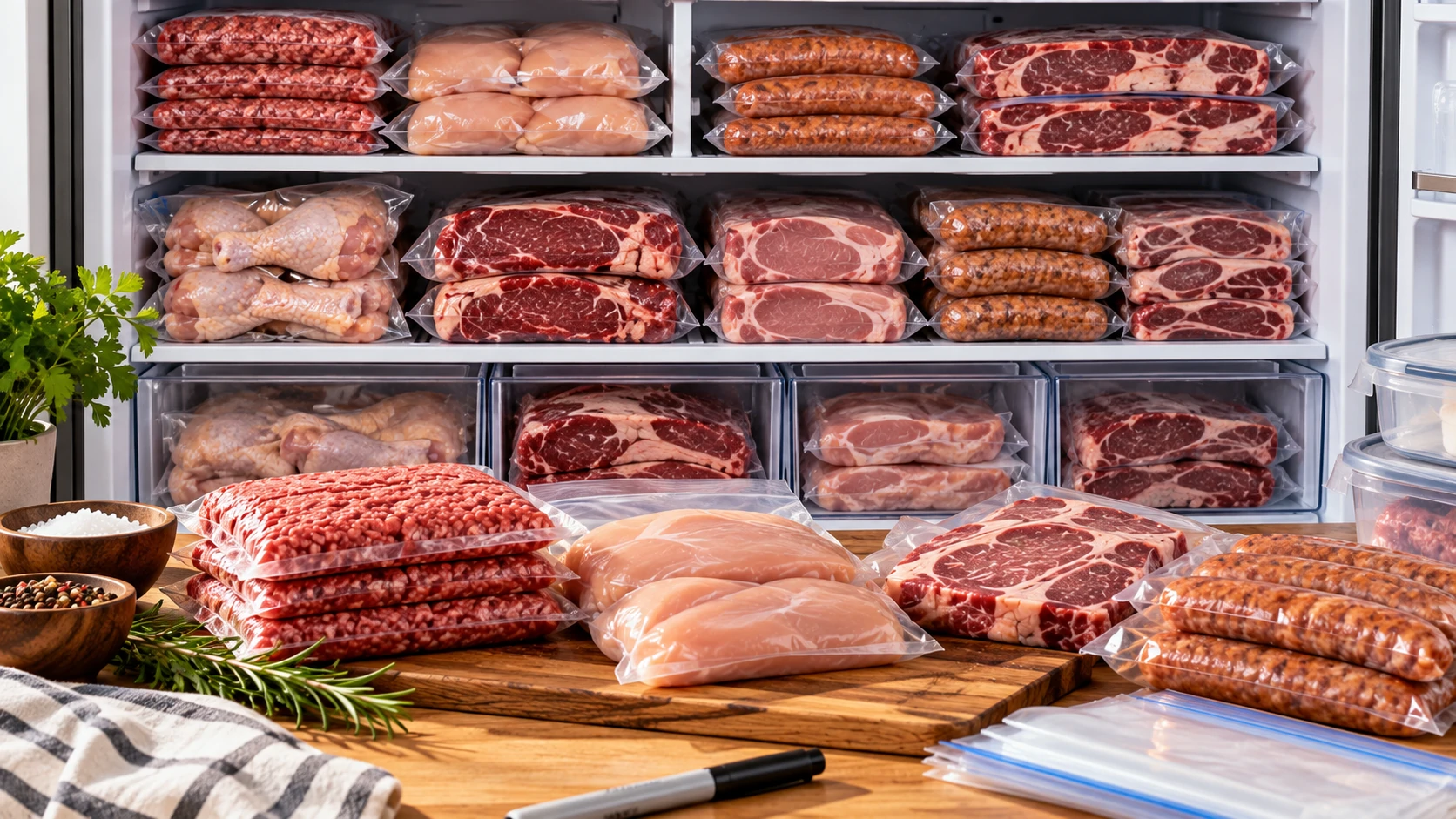
Freezing meat is one of the easiest ways to keep your freezer stocked and reduce unnecessary food waste. But simply putting meat in the freezer isn’t enough. How you package, portion, label, freeze and defrost meat can make a noticeable difference to its quality.
Whether you’ve purchased beef, chicken, pork, lamb, boerewors or a larger meat combo, proper freezer storage helps protect the meat from freezer burn and makes meal planning much easier.
Here’s how to store meat in the freezer properly.
What Is the Best Way to Store Meat in the Freezer?
For good freezer storage, meat should be properly packaged, divided into practical portions, labelled and frozen promptly.
A simple process is:
- Divide the meat into meal-sized portions.
- Package each portion securely using freezer-safe packaging.
- Remove as much excess air as reasonably possible.
- Label the package with the meat type and date.
- Place it in the freezer promptly.
- Keep your freezer at approximately -18°C or colder.
The goal is to minimise exposure to air while keeping the meat consistently frozen.
1. Portion Meat Before Freezing
One of the most useful things you can do is divide larger quantities before they go into the freezer.
If you purchase 2kg of beef mince but normally use 500g per meal, for example, divide it into four portions.
You can do the same with:
- Beef cuts
- Chicken portions
- Pork
- Lamb
- Boerewors
- Mince
This means you only need to defrost what you’re planning to cook.
It’s particularly useful when purchasing bulk meat, meat hampers or larger meat combos.
2. Use Freezer-Safe Packaging
Air exposure can affect the quality of frozen meat and contribute to freezer burn.
Use packaging designed for freezer storage, such as suitable freezer bags, airtight freezer-safe containers or appropriate wrapping.
If using freezer bags, gently remove as much excess air as possible before sealing them.
If the meat is already securely packaged for freezing, you may be able to freeze it in its original packaging. Check that the packaging is intact and suitable for freezer storage.
3. Label and Date Everything
A package of frozen meat that looks obvious today may be surprisingly difficult to identify several weeks later.
Label each portion before freezing.
Include:
- Type of meat
- Cut
- Quantity, if useful
- Date frozen
For example:
Beef Mince – 500g – 25 September
or:
Chicken Drumsticks – 1kg – 25 September
Labelling makes it easier to plan meals and rotate the products in your freezer.
4. Freeze Meat Promptly
If you’ve bought meat that you don’t intend to cook within its recommended refrigerated storage period, freeze it promptly.
Avoid unnecessarily leaving meat sitting at room temperature before freezing.
Once you get your meat home or receive your order, decide what you’re going to cook soon and what should go into the freezer.
This is especially helpful after receiving a large monthly or bulk meat order.
What Temperature Should a Freezer Be?
A household freezer should generally be kept at -18°C or colder for frozen food storage.
Maintaining a consistent freezer temperature is important.
Frequently opening the freezer door, overloading it in a way that prevents adequate airflow or experiencing prolonged power interruptions can affect temperature stability.
A freezer thermometer can help you monitor the temperature if necessary.
How Long Can Meat Stay in the Freezer?
Meat that remains continuously frozen at an appropriate temperature can remain safe for extended periods, but quality can decline over time.
For best quality, different meats have different recommended freezer-storage periods.
As a general guide:
| Meat | Approximate Freezer Storage for Best Quality |
|---|---|
| Beef steaks and roasts | 4–12 months |
| Beef mince | 3–4 months |
| Whole chicken | Up to 12 months |
| Chicken pieces | Around 9 months |
| Pork chops and roasts | 4–6 months |
| Lamb chops and roasts | 4–12 months |
| Raw sausages | 1–2 months |
These are general quality guidelines rather than expiry dates. Storage time can vary depending on packaging, freezer temperature and the condition of the meat when frozen.
When in doubt, follow the storage instructions provided with the product and recognised food-safety guidance.
What Is Freezer Burn?
Freezer burn occurs when frozen food loses moisture after being exposed to air.
You may notice:
- Dry areas
- Discolouration
- Changes in texture
- Ice crystals inside the packaging
Freezer burn doesn’t necessarily mean that the meat has become unsafe, but it can negatively affect its taste and texture.
Proper packaging and reducing excess air can help minimise it.
How Should You Organise Meat in the Freezer?
Good organisation helps prevent meat from disappearing into the back of the freezer and being forgotten.
Consider creating separate areas for:
Beef: steaks, mince, chuck, brisket and other cuts.
Chicken: fillets, thighs, wings and drumsticks.
Pork: chops, sausages and other cuts.
Lamb: chops, roasts and stewing cuts.
Boerewors: portioned according to your typical meals or braais.
If you have a chest freezer, baskets or containers can make it easier to separate categories.
Use Older Meat First
A simple first in, first out approach can help you rotate your freezer stock.
When adding a new meat order, place older packages somewhere accessible so they’re used before the newer ones.
Checking the dates on your labels makes this much easier.
Before ordering another monthly meat hamper or bulk meat order, check what you already have.
You may discover enough chicken or beef for several additional meals.
How to Freeze Beef
Beef can be divided according to how you plan to use it.
For example:
- Portion mince into meal-sized packs
- Separate steaks before freezing
- Divide stewing beef according to your recipes
- Package larger cuts securely
If you regularly cook for four people, portioning according to a four-person meal can make weeknight preparation much easier.
How to Freeze Chicken
Separate chicken into useful portions before freezing.
Instead of freezing a large quantity of drumsticks or wings together, divide them according to how much your household normally cooks at once.
Chicken fillets can also be separated so you don’t have to defrost an entire bulk pack for a small meal.
Always handle raw chicken carefully and clean surfaces and utensils that come into contact with it.
How to Freeze Pork and Lamb
The same principles apply to pork and lamb.
Divide chops, sausages, stewing cuts and larger portions according to your normal meals.
Package everything securely, label it and freeze promptly.
If you’re planning to use some cuts for a braai later in the month, consider keeping those portions together so they’re easy to find.
How to Freeze Boerewors
Rather than freezing a large quantity of boerewors as one package, divide it into portions.
For example, if your household usually cooks 500g at a time, freezing it in approximately 500g portions means you won’t have to defrost more than necessary.
Keep the casing intact and package the boerewors securely before freezing.
What’s the Safest Way to Defrost Meat?
One of the safest ways to defrost frozen meat is in the refrigerator.
Move the meat from your freezer to the fridge ahead of when you plan to cook it. Depending on the size and thickness of the product, it may require several hours or longer to thaw completely.
Keeping it refrigerated while defrosting helps prevent the outside of the meat from becoming too warm while the inside remains frozen.
Avoid leaving raw meat on the kitchen counter for extended periods to thaw.
Can You Refreeze Defrosted Meat?
Whether meat can safely be refrozen depends on how it was thawed and handled.
Meat that has remained safely refrigerated throughout thawing may sometimes be refrozen, although there can be a loss of quality.
However, meat that has been left at unsafe temperatures should not simply be refrozen.
If you’re uncertain about how meat has been stored or handled, prioritise food safety rather than trying to save the product.
This is another reason freezing meat in smaller portions is useful: you only defrost what you need.
What About Power Cuts?
Power interruptions can be particularly concerning when you have a freezer full of meat.
During an outage:
- Keep the freezer door closed as much as possible.
- Avoid repeatedly opening it to check the food.
- Monitor how long the power has been off.
- Check the condition and temperature of food once power returns.
A full freezer generally maintains its temperature longer than a partially filled one when the door remains closed.
If meat has completely thawed or you are uncertain whether it has remained at a safe temperature, follow recognised food-safety guidance before deciding whether to cook, refreeze or discard it.
Tips for Stocking Your Freezer With Meat
If you’re planning a monthly or bulk meat order, follow this simple routine:
Before ordering: Check how much freezer space you have.
When your order arrives: Decide which products you’ll use immediately.
Before freezing: Divide larger quantities into meal-sized portions.
When packaging: Remove excess air and seal securely.
Before storing: Label everything with the product and date.
During the month: Use older meat first and keep track of what’s left.
This system can make meal planning much easier and help you get more value from a larger meat order.
Stock Your Freezer With Industrial Butcher
Industrial Butcher supplies quality beef, chicken, pork, lamb and boerewors to households in Pretoria and Johannesburg.
Whether you’re purchasing individual products, stocking up with a meat combo or placing a bulk or custom meat order, planning your freezer storage beforehand can help you make better use of your meat throughout the month.
Choose the products and quantities that suit your household, portion them appropriately and keep your freezer organised so you always know what’s available for your next meal.
Ready to stock your freezer? Contact Industrial Butcher on 084 037 8238.